Writing for Beginners

Are you actually a beginner?
We’d say you are not a beginner. You’re a practiced creative, because all human beings are creative by nature—you can’t help it! You have opinions and insights and perceptions and questions and a sense of humor. And you’ve been using language since you could talk.
But maybe you feel unsure about how to start writing in a way that gives you creative satisfaction. You might have had your faith your ability to express yourself damaged as a child, when essays came back marked roughly with red pen or adults were impatient and didn’t listen. If that’s true for you, know that it’s true for a lot of people—and a lot of writers. You can overcome those doubts just as they have.
Perhaps doubt isn’t an issue. You might be the kind of person who likes to do things well.
Are You the Kind of Person Who Likes to Do Things Well?
Don’t we all? But not all of us like doing things not so well to start with. And that can stand in your way of doing things you enjoy.
Zen practitioners work to unlearn what they think they know! It’s called beginner’s mind. So let’s say that even though you’re not actually a beginner, you’re starting with that very useful mindset, beginner’s mind. You’re willing to not know.
In fact, all writers are beginners when they start a new project. They don’t know how it’s going to turn out.
If you start writing with the Imaginative Storm method, you will save yourself a lot of angst and heartache, because you’ll learn that when you’re first putting words on the page, you don’t have to “get it right.”
Have you ever said, “I can’t write! I can’t even spell!”
Here’s the good news: spelling and grammar have nothing to do with good writing. Sure, they matter, but that’s what copyeditors and Grammarly are for.
Good writing doesn’t have to be fancy or full of long words and complex grammar and weird imagery. In fact, it’s usually better if it doesn’t—unless that’s what comes naturally to you. The number one rule of good writing is: Be authentic.


Writing Tips for Beginners
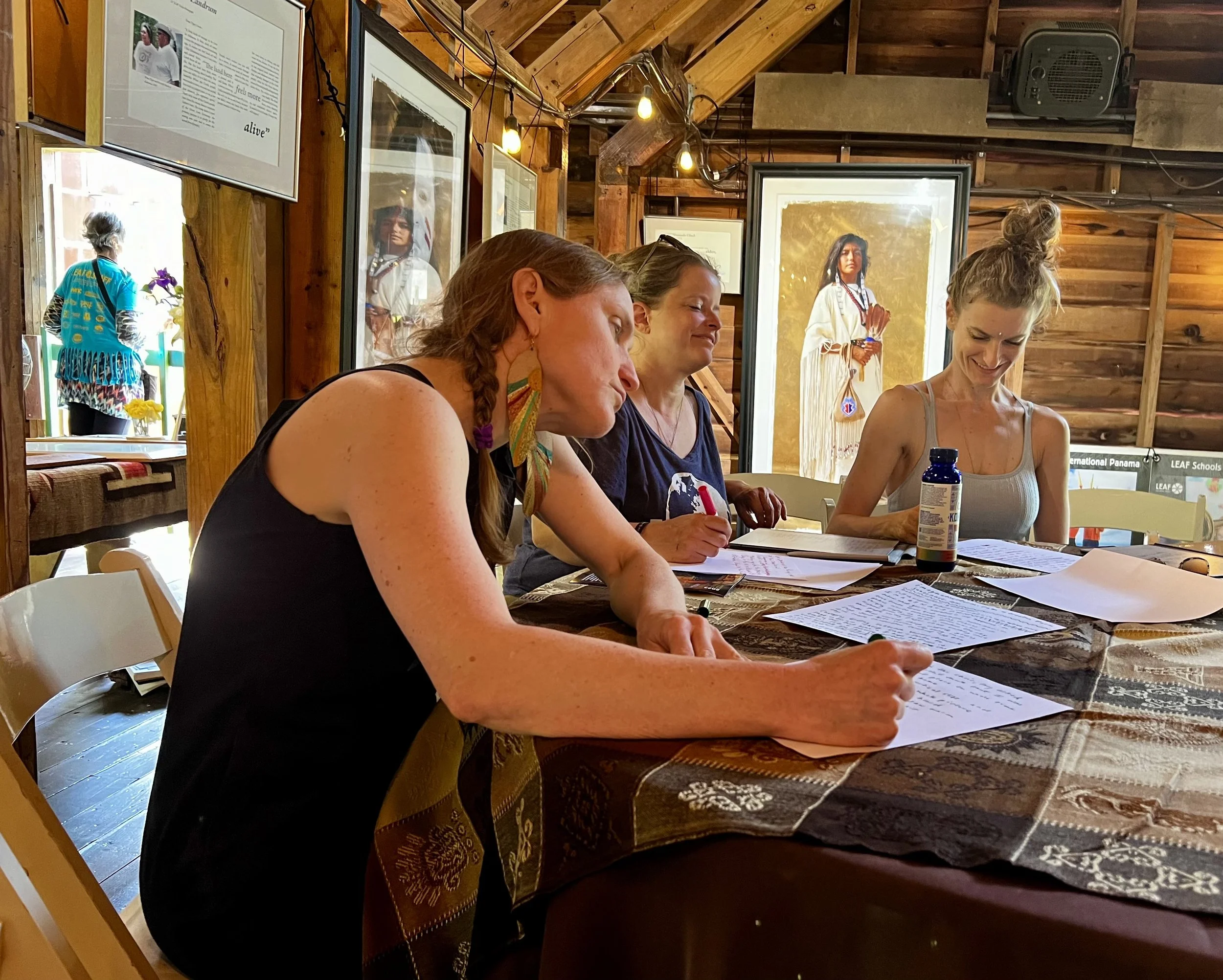
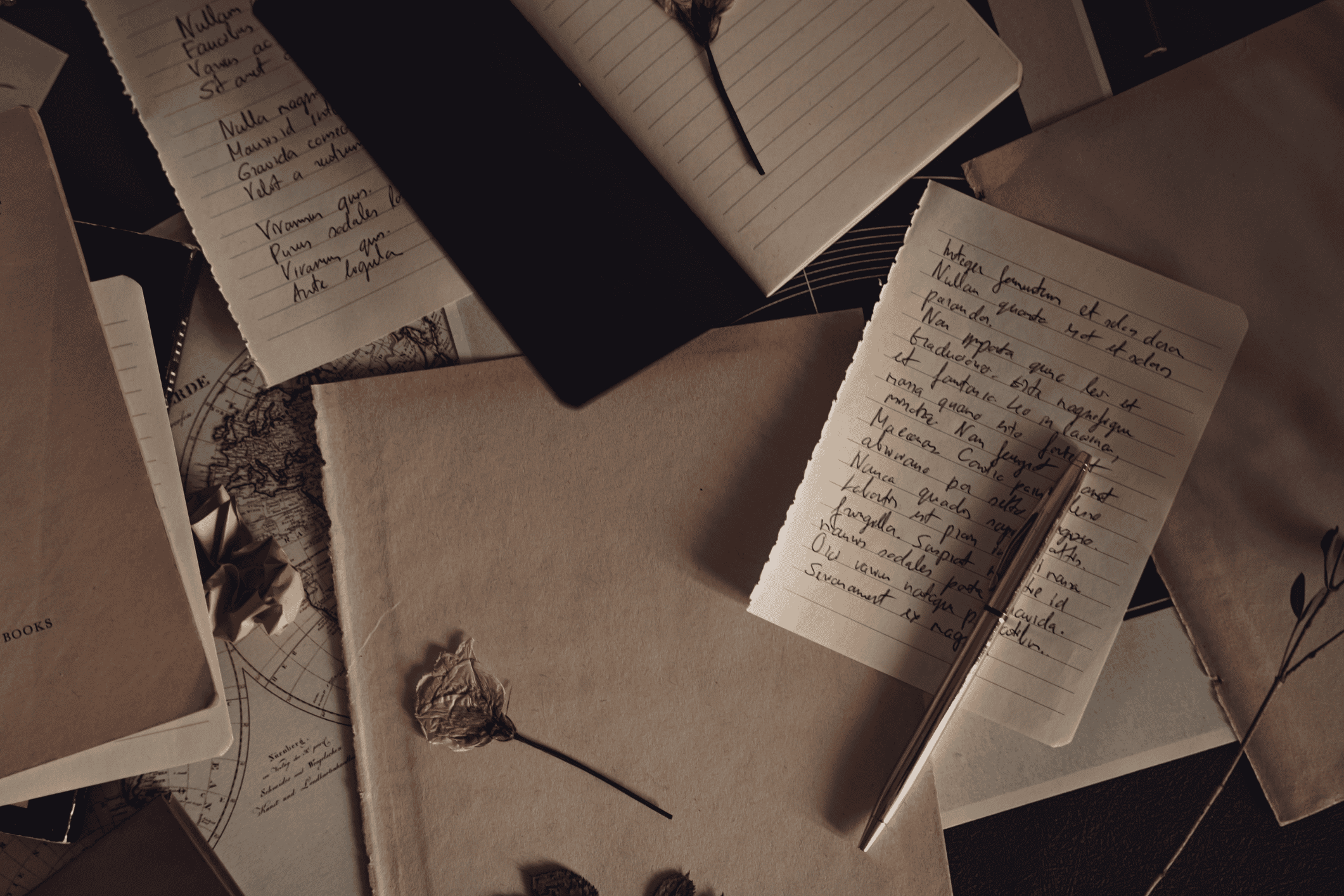
Get a pen you like writing with
and some paper to write on. Don’t start with a fancy blank notebook that makes you feel you ought to write well in it. Cheap spiral notebooks are great: wide-ruled is better because it’s less constraining than college-ruled. Or just use loose sheets of printer paper, and collect them in a folder. Honor what you’ve created by giving it a home.
!We recommend writing by hand for a number of reasons. To understand why, watch our YouTube video in the series 11 Top Writing Tips: Tip #2, Why Writing By Hand is the Secret to Great Creative Writing.
Don’t start at the beginning.
It’s okay not to know where the beginning is. In fact, it’s often an advantage. If you try to start at the beginning, you can tie yourself in knots wondering if you’re starting in the right place. Start somewhere that’s absolutely not the beginning.
Ask yourself questions about the incident you’re writing about.
What don’t I remember? What didn’t I know? What wasn’t there? What didn’t happen?Asking yourself questions like that gets you out of the neatly packaged version of your memory or idea that your rational mind has created. If you try to write that version, it will be flat and dull on the page.
You might think that’s your fault, that you’re just not a good writer, but it isn’t your fault. It’s just a mistake in technique.This is the value of prompts: they spark your imagination to look at your ideas, your perceptions, your memories, and your beliefs in surprising new ways.
Come Write with Us!
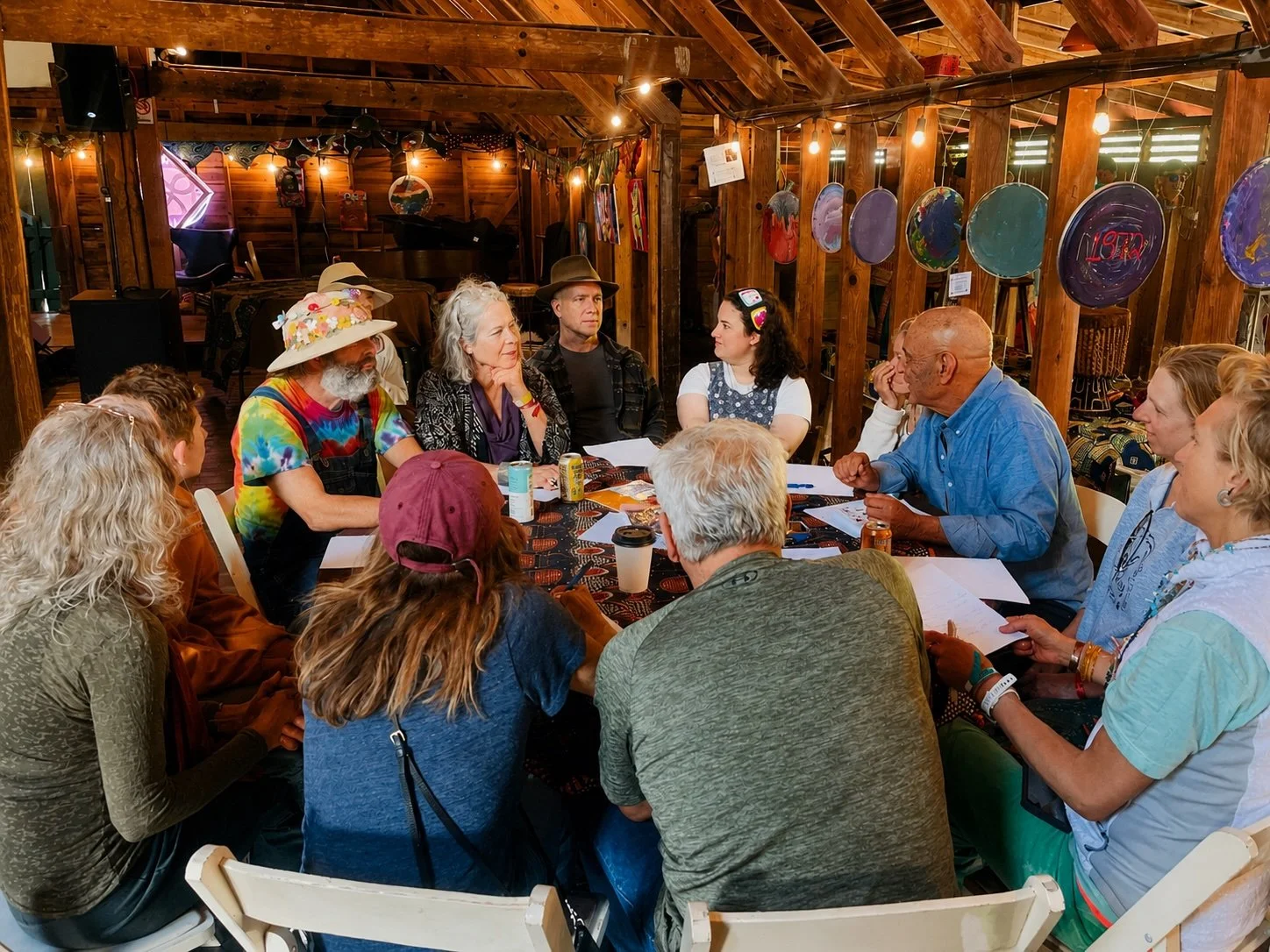
Everything we do in the Imaginative Storm is suitable for writers across the spectrum: from those who consider themselves beginners to published writers with many titles to their name.
Join our Prompt of the Week Zoom to write to a random prompt for 10 minutes! We usually have some newcomers, and we will welcome you. It’s on Thursday at 3 pm PT / 6 pm ET, for an hour.
Explore our Circle site, where we publish the raw material we write in 10 minutes. You’ll get an idea of what’s possible, and how we support one another with appreciation rather than competition or criticism.
Get our Daily Prompt delivered straight to your inbox every morning.
Check out our vast archive of image prompts on YouTube. We guide you step by step in working with the prompt, share what we did in our Saturday session, and time you for 10 minutes while you write.
Let us guide you step by step through the 10 sessions of the Imaginative Storm method, in our self-paced online course Write What You Don’t Know: Imaginative Storm Writer Training. The course includes a monthly live Zoom with Imaginative Storm co-founders Allegra Huston and James Navé. Ask us anything!
Sign up for one of our live workshops, on Zoom or in person, and explore the memoir, or fictional story, you might write.
Order our book Write What You Don’t Know: 10 Steps to Writing with Confidence, Energy, and Flow.
Subscribe to Imaginative Storm on Substack for our newsletter with thoughts on writing.
We hope to see you.
What People Are Saying About imaginative Storm
Testimonials from 12 members of the Imaginative Storm writing community
-
![]()
“You helped me overcome my critic. I went from being a fearful writer to a joyful one.”
— Corinne Crone, intimacy coach
-
![]()
"After Imaginative Storm, writer's block is a myth."
Abdullah H. Erakat, journalist and screenwriter
-
![]()
“This wave of words came in 10 minutes in a beautifully playful space. I find the Imaginative Storm method intriguing, freeing, well-seasoned and lovingly crafted. I am delighted, surprised and nourished every time I jump into it!”
— Esme Olivia, singer/songwriter
-
![]()
"The Imaginative Storm helped me go places I would not normally consider going and kept me from overthinking when I got there. The number of poems from the Imaginative Storm that have been published speaks to the success of the method and its benefit to me as a poet.
— Louis Faber, poet
-
![Wendy Shaw]()
"It's like discovering a part of yourself you didn't know existed. What a gift!"
Wendy Shaw, visual artist
-
![]()
“It’s life-changing. Even if I’m not writing, I’m thinking about writing.”
Deborah Williams, writer and educator
-
![]()
“I am brought ever closer to something Carl Jung said many years ago: ‘Until we make the unconscious conscious, we will live our life and we will call it fate.’ I feel the Imaginative Storm process is ever getting me closer and closer to a more conscious understanding of my life.”
Dan Stenabaugh, writer
-
![]()
“The Imaginative Storm process has given me the freedom to tap so many aspects of myself. It’s so easy to get stuck trying to write about events until you shake up the brain cells and spill them out in a fresher way."
Darlene VanderHoop, writer and yoga instructor
-
![Alice W. Meadows]()
“Writing what I don't know has given me more confidence and freedom and flow to write what I do know. It's like having a base camp to set out on writing adventures."
Alice W. Meadows, writer
-
![]()
"What this process teaches us to do is to be with the percolating of all the chaos inside us. It's raw, but the pen keeps going and amazing things arise."
Arlene Shapiro, performer and writer
-
![]()
"Imaginative Storm opens up this creative cave, gives me a shovel and shows me where to dig. It says, ‘Look at this gem! Look at that gem!’ Before I know it, I’m mining words that tumble out on to the page."
Sandi Dittmer, writer