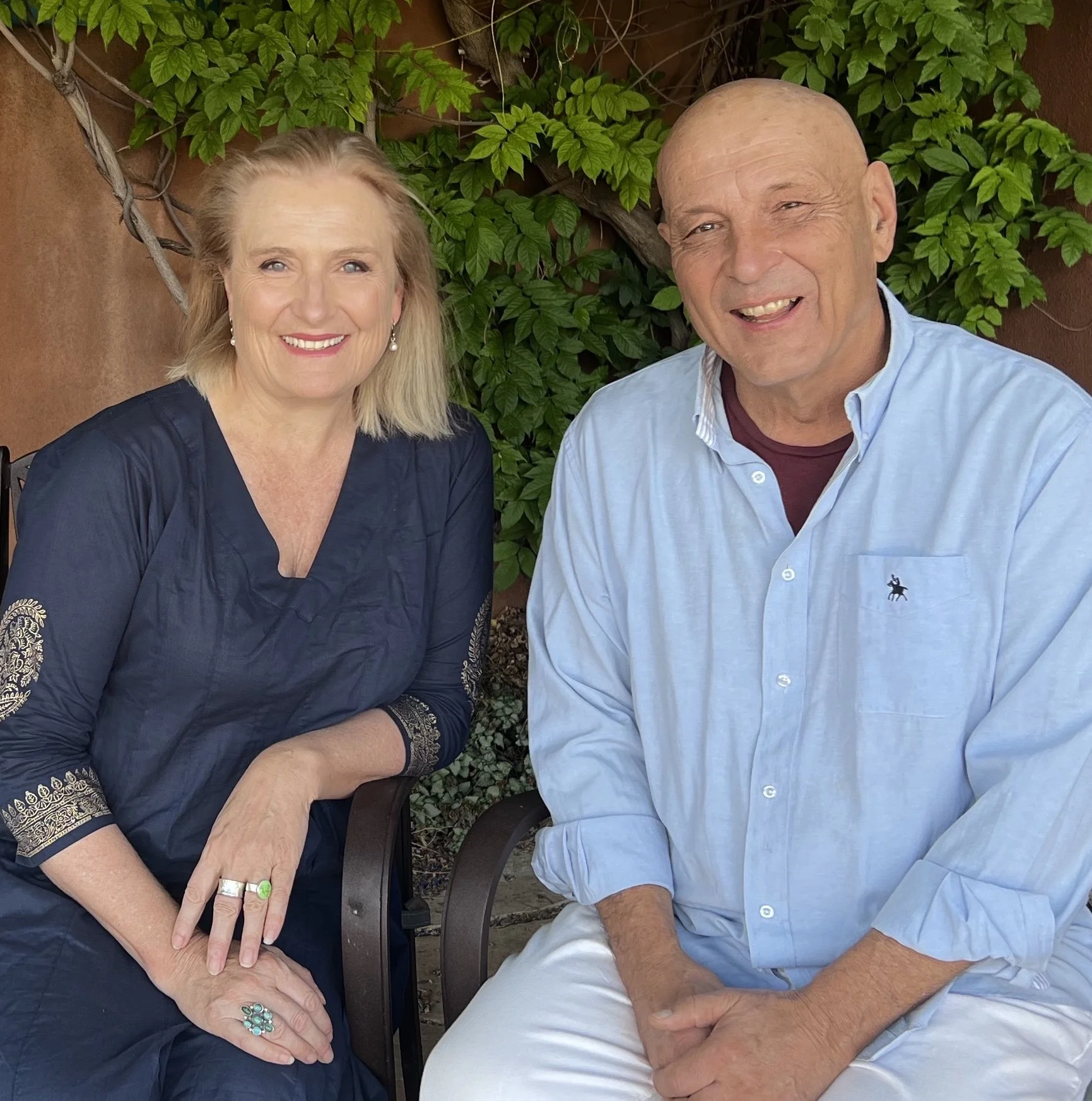
Meet Allegra Huston and James Navé, Cofounders of Imaginative Storm
ABOUT US
Our Story: Founding Imaginative Storm
Imaginative Storm began with a simple conviction: a writer isn't something you become, it's who you already are. You just need to get your story out.
Allegra Huston and James Navé had each spent a lifetime around words, one shaping other people's books, the other teaching writers to find their own voice. They kept arriving at the same observation. Talent was rarely the thing standing in the way. What stopped people was fear, the wrong kind of pressure, and the absence of a room that expected them to write. So they built that room. Over more than two decades, they shaped a method to prove the conviction true, and carried it to thousands of writers, on six continents and counting, who came in certain they had nothing to say and left holding work that surprised them. The name says what they were after. A storm of imagination, contained just enough to be useful, then let loose on the page.
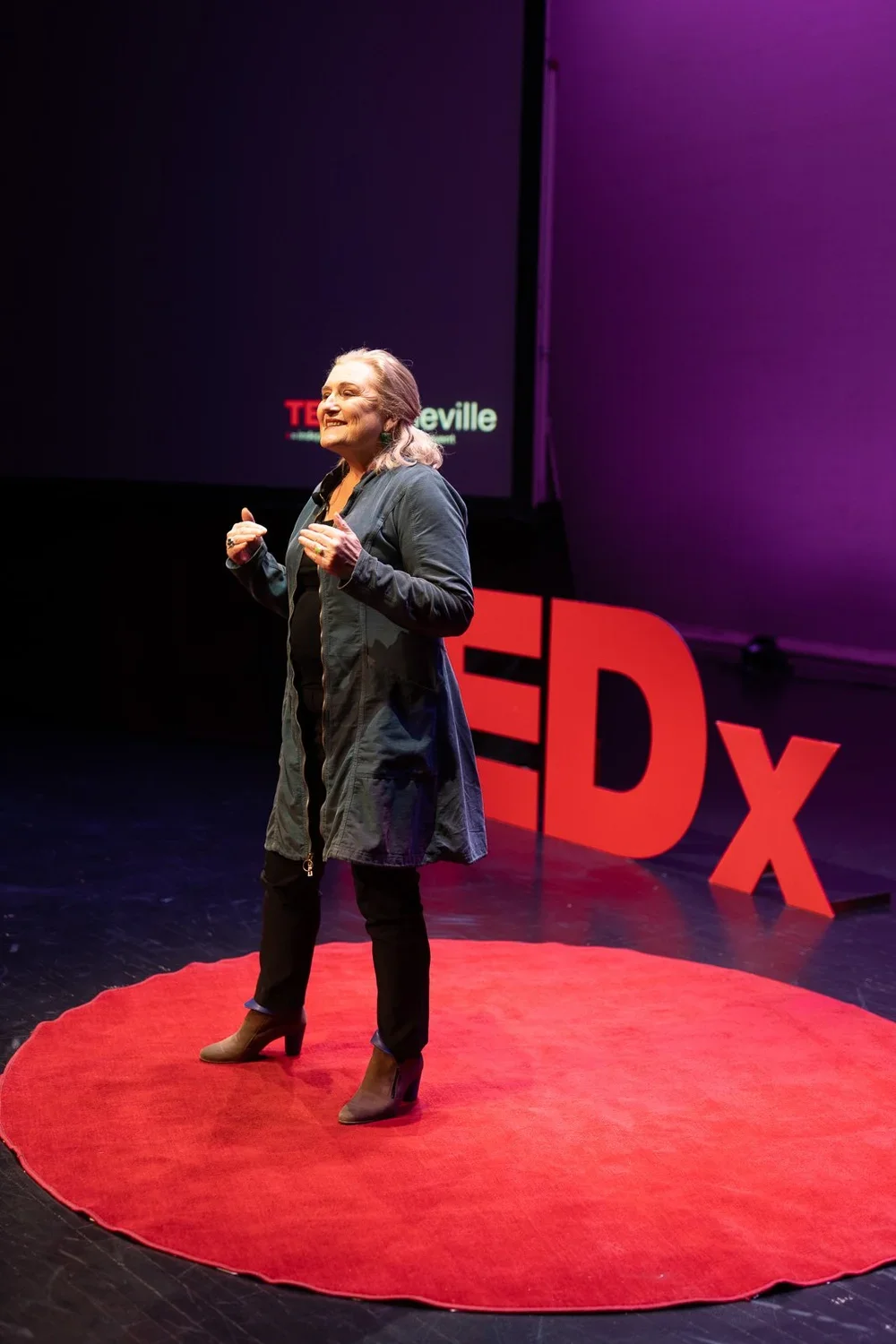
Our TEDx talks
Watch them both and you’ll see how different our styles are—and why this unusual collaboration is so powerful.
Allegra Huston
Imaginative Intelligence: Your creativity, your insight, your self
James Navé
From the Imaginative Storm to the Creative Form
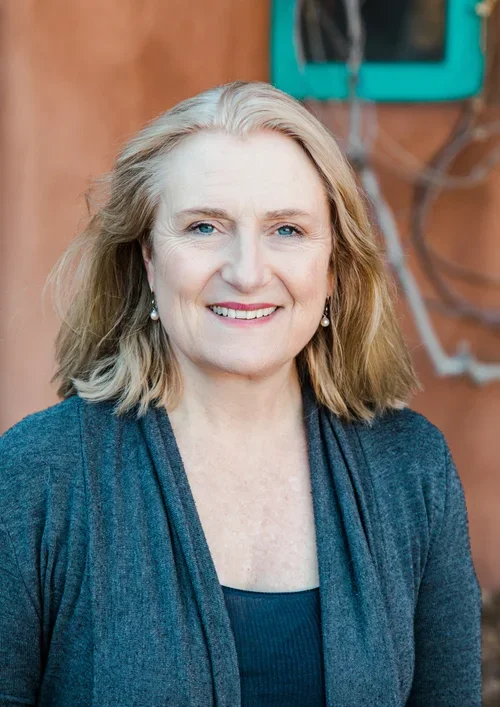
Meet Allegra Huston
Co-Founder and Author
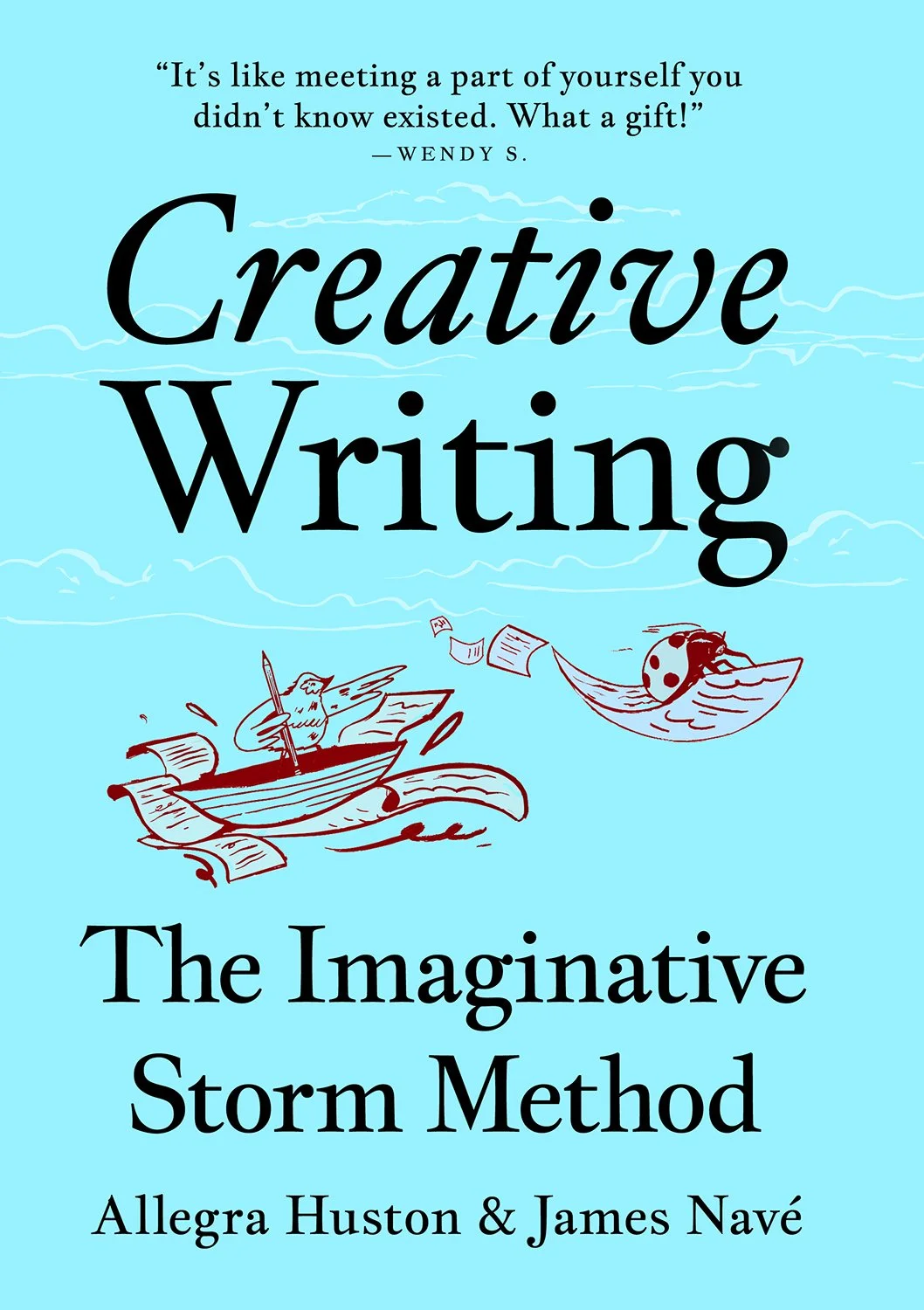
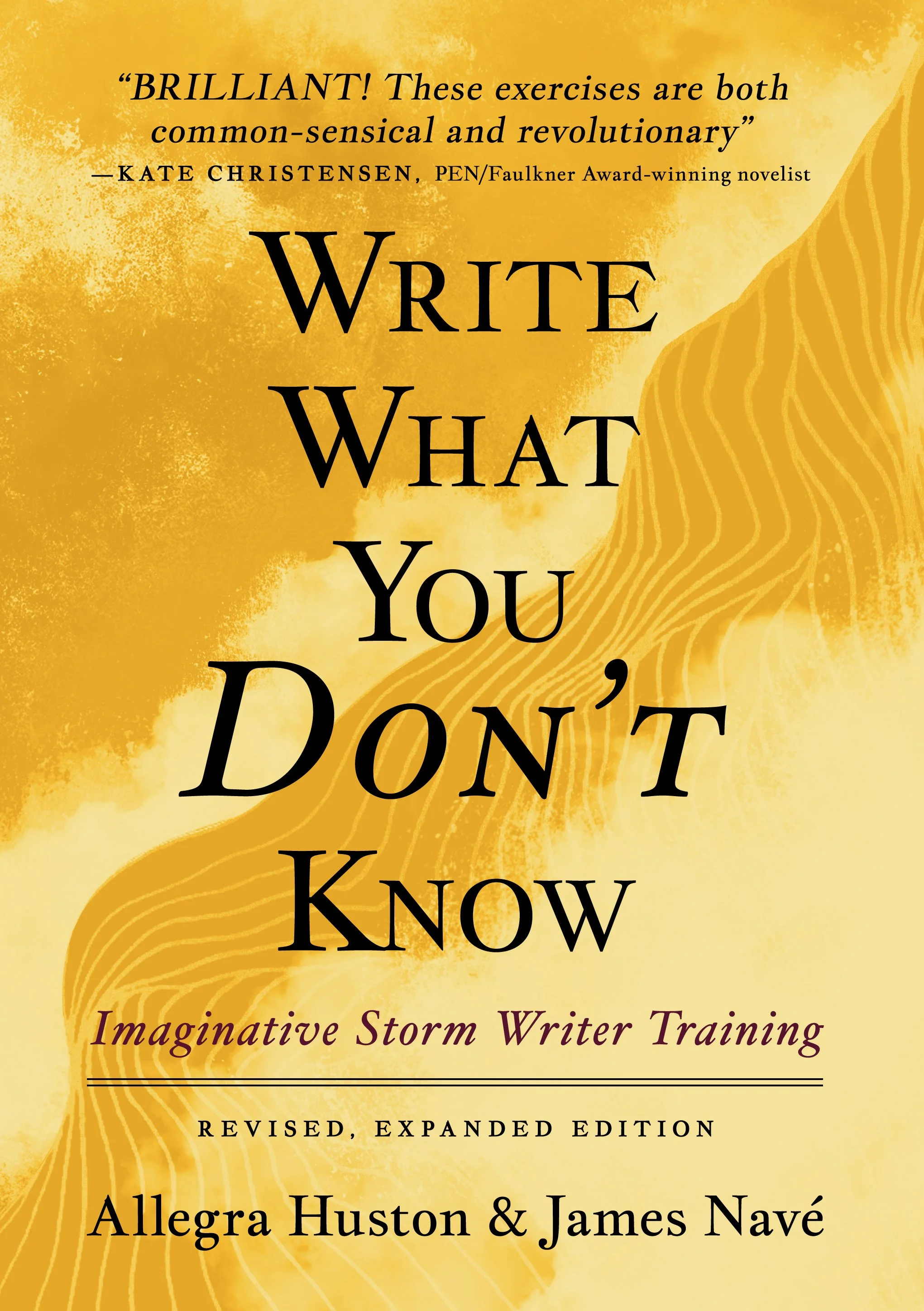
Allegra Huston brings a lifetime of literary experience to Imaginative Storm. Her co-authored books Creative Writing: The Imaginative Storm Method and Write What You Don't Know lay out the thinking behind the Imaginative Storm method. She knows the page from the inside, as she was Editorial Director of Weidenfeld & Nicolson, one of the UK’s most respected publishers.
Her memoir Love Child and her novel A Stolen Summer established her as a working writer who understands exactly what it takes to move from blank page to finished book. Encouraged by authors she’s worked with, she wroteHow to Edit and Be Edited and How to Read for an Audience (with James Navé)—both the only practical books on their subjects.
As a creative writing teacher, Allegra reads a draft the way only an editor can, hearing the book a writer is reaching for before they can see it themselves.
Allegra contributed to the anthology One Last Lunch, writing an imaginary lunch with her mother who died when she was four. You can listen to her read it here.
Not just a book author, Allegra has written for Vogue, Condé Nast Traveler, People, Newsweek, The Times (London), The Oldie, and The Independent on Sunday. She also wrote and produced the award-winning short film Good Luck, Mr. Gorski.
In the academic world, Allegra holds a Double First in English from Oxford University, She has taught writing workshops for the University of Oklahoma, the National University of Ireland, Galway, the Taos Writers Conference, and the UK’s prestigious Arvon Foundation, and has taught a guest seminar at the nonfiction department of Iowa Writers' Workshop.
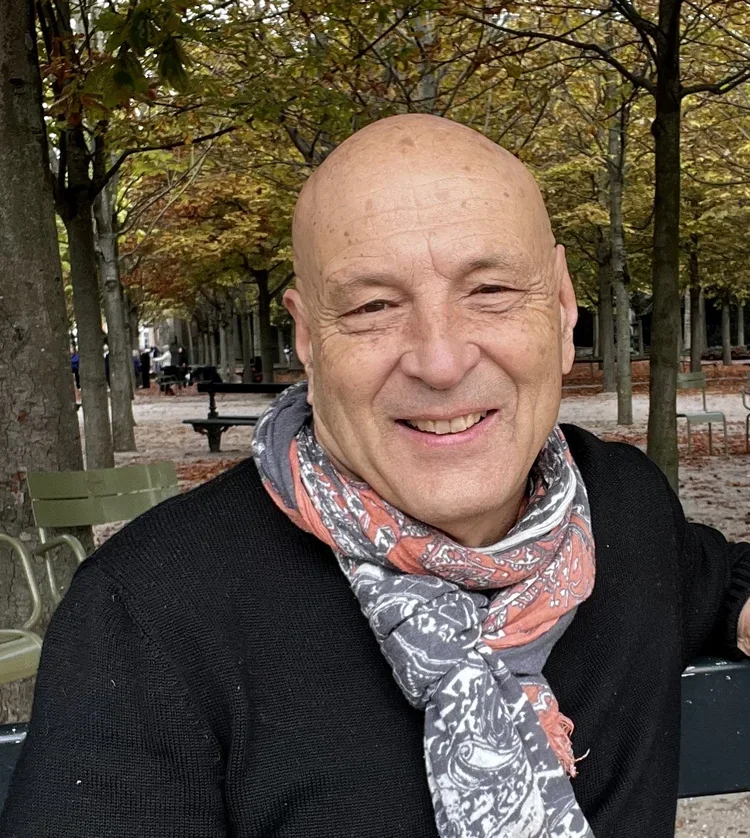
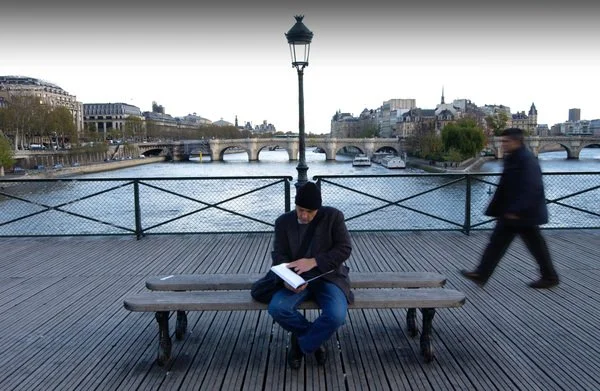
Meet James Navé
Co-Founder, Creativity Mentor, and Poet
James Navé has been an arts entrepreneur since he was 18 years old. He has spent more than twenty years marrying language, imagination, and human connection in workshops and retreats across the United States and Europe.
Navé is the author of 100 Days Poems After Cancer, and co-author with Allegra Huston of Creative Writing: The Imaginative Storm Method,Write What You Don’t Know, and How to Read for an Audience.
For six years, Navé worked with Julia Cameron, bestselling author of The Artist’s Way, developing and teaching Artist’s Way Creativity Camps across the US.
Navé found his voice in the slam poetry scene, and scored a perfect 30 at the Green Mill, Chicago. As founder of Poetry Alive!, which brought performance poetry to over three million schoolchildren across the U.S., he memorized over 600 poems.
Navé holds an MFA from Vermont College, and has taught writing workshops at the University of Oklahoma, the National University of Ireland, Galway, and Duke University. He has performed shows and taught writing and creativity worldwide, from Nouakchott, Mauritania, to Bangkok, Paris, and Lima.
Navé hosts a weekly podcast, “Twice 5 Miles Radio with James Navé,” which airs on WPVMFM-Asheville, KCEI Taos, and is available on all major podcast platforms.
What writers remember about James is the safety he creates. He makes a room feel secure enough to take a real risk on the page, and patient enough to wait for what wants to come. As a manuscript coach and creative writing teacher, he pairs that warmth with genuine rigor, pushing your work without ever making you feel exposed. He has guided beginners through their first honest sentences and seasoned writers through stalled manuscripts, and he treats both with the same steady attention.

Books About Writing by Allegra Huston & James Navé


What is the Imaginative Storm Method?
In this three-minute video, James Navé and Allegra Huston explain how they developed the Imaginative Storm method and what makes it so special.

As Featured in
Imaginative Storm's approach to creative writing has drawn attention from journalists, educators, and literary communities around the world. The work speaks for itself, but the recognition helps writers know they are in capable hands. The method, and the writers it has shaped, have been featured in: