How to Self-Publish
Publishers no longer take on books just because an editor thinks the book is good.
If there’s no obvious PR hook for your book, your chances of getting published are, to be honest, not that good.The good news is that if you have some money to spend, you can publish your book yourself. We recommend KN Literary for a beginning-to-end boutique self-publishing service. They're also a good source for professional freelancers. Another great source, especially for designers, is Reedsy.
First of all, ask yourself and answer honestly: Is my book as good as I can make it? Does the story flow with coherence and momentum? Are the characters alive? Is the prose sparky both clear and allusive? Most important of all, does my book feel original and authentic?
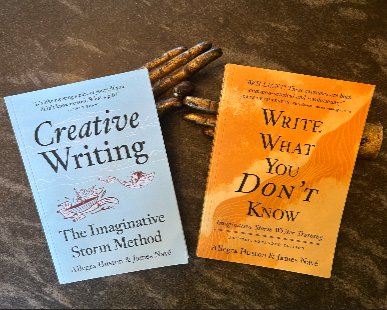
If you can’t honestly answer yes to all these questions, consider doing one more draft before you hit Go on publishing your book. If you don’t see a clear path ahead, check out our book and courses Write What You Don’t Know, and our live online Imaginative Storm Writer Training. You’ll improve your writing in ways you can’t even imagine right now.
You’ve only got one chance at it, so don’t short-change yourself.
When It’s Time to Take Your Book Out into the World
Follow these steps if you want to do a professional-level job yourself: If you don’t yet know Reedsy, sign up for their excellent newsletter and use their platform to find the professionals you will need to help you.
1. Find an editor
But, you say, I’ve already made my book as good as I possibly can! Good. But there are almost certainly more things you can improve, things you just can’t even see anymore. There’s nothing more valuable than a fresh eye on your work before it goes out into the world.
Finding a good editor is easier said than done. Many people say they're editors but actually they're copyeditors, so choose carefully. Ask other writers for recommendations. Ask to speak to the editor’s past clients.
If an editor says, "I'll tell you what's wrong with your book and how to fix it," move on. No editor can really do that. You're looking for an editor who says something like, "I'll tell you what I think isn't working or could be improved, and help you make your book as good as it can possibly be."
Many editors will agree to read the first 10 or 20 pages at no charge, to see if they think they can help you. This is a good practice. If an editor doesn't like your book, they can't do a good job for you.
For more guidance on how to get the best results, check out our book How to Edit and Be Edited.
2. Find a copyeditor
Even if your editor is also a copyeditor, they will probably have spent so much time on your book that they can't see mistakes any more. A fresh eye is essential. The copyeditor will fix your grammar, spelling, and punctuation. They'll look for repetition and anything that's clunky or unclear. Don't give this job to a friend who says, "I'm really good at spelling and grammar." Get a professional.
Before they finish, understand what coding (if any) will be required for your typographer. See step 8 below.
3. Name your publishing company
It doesn't have to be registered as an actual legal company, but give it a name. And get a logo—simple is fine. Tell-tale signs of an amateurishly self-published book are no colophon on the spine and no publisher’s name on the title page.


4. Buy ISBNs
An ISBN is an International Standard Book Number. Every book, and every format of that book, has a unique ISBN.. If you do both hardback and paperback, you'll need an ISBN for each, plus another for the e-book. (You don't need an ISBN for an audiobook.) You get a deal if you buy 10 ISBNs, but you can't transfer them to another publishing company. Buy them at bowker.com.
5. Decide on a print format
Go to two websites: Ingram Spark and Kindle Direct Publishing. You’ll want to use both: Amazon is the world's top book retailer and Ingram is the world's top book wholesaler. Ingram will include your book in their catalog so any bookstore anywhere in the world can order it. They'll also get your e-book onto all the non-Kindle e-book platforms.
Choose a format (size of book) that both companies support. There are a few standard sizes for novels, but your book might benefit from a slightly unusual format, especially if it's short. You won't yet have an exact page count, but looking at their prices will give you an idea of the printing cost.
6. Find a designer or designers
You might be tempted to just upload your Word doc to Kindle and let its AI generate your cover and your typographical design, but if you do, your book will almost certainly look self-published. We recommend using professional humans.There are many brilliant graphic designers out there, but because book design has some specific requirements we recommend using designers with experience in books., and specifically the kind of book you are publishing. For example, a science fiction novel requires a very different approach from a cookbook. Make a shortlist and interview a few. Ask the cover designer if they will also design the book's interior. Some do, some don’t, so you may need to find someone else. For the text, the most important thing is readability. Don’t let them over-design it.

10. Get a proofreader
Now that you have a page proof, this is your last chance to spot errors and fix them. Again, get a professional. They will spot things a non-professional will miss, such as bad hyphenations, awkward page breaks, or heading weights that aren't consistent. Any changes you make at this stage can affect the pagination, so beware.
11. Upload your files
You should have four: pdf and epub for the text, and two files for the cover because Ingram Spark and Kindle use different templates. (Your cover designer will have downloaded their templates and adjusted the spine to the total number of pages.)There's a lot of other stuff to fill out on both Ingram Spark and KDP websites. When you set the price, remember that you have to give big discounts to booksellers, and if you're fulfilling orders yourself, the cost of envelope and postage is probably higher than the unit cost of the book.
12. Order a proof
KDP offers a proof but it takes a long time to arrive, so if you want it more quickly you’re better off just buying a copy. Ingram Spark doesn’t offer a proof so just buy a single copy. Make sure the book is as you want it before ordering in bulk.Often the colors of the printed cover won't match what you saw online, and you may want to ask your designer to adjust the file. They should do this free of charge.
7. Brief the cover & write back cover copy
Write out the text for the front cover: title, subtitle (if any), maybe a tagline, and author's name. Tell the designer why their work resonates with you. Tell them what makes your book special, any particular themes or images, and what emotion you want people to feel when they look at the cover. Specify the market: the people you hope will buy your book. Make sure they understand what the book is about and don't expect them to read it.
The designer will work on the front first.The back cover will include more copy than just the blurb. Look at books similar to yours for ideas on how to write your blurb. You might want to get a freelancer to write it for you. If you can get endorsements from published writers, get them. The name of your publishing company should go at the bottom of the back cover, along with the ISBN. You don't have to put a price, so it’s best not to since that way you can change it.
Tell the designer what you want on the spine. If there's not much room, leave out the subtitle. Put your publishing company logo at the base of the spine.
8. Brief the typographer
Specify that you want delivery in two formats: pdf (for print) and epub (for e-book). Ask how they want you to code the file. Some designers want you to use Word coding, others don't want any coding. The copyeditor should be able to deal with whatever coding is required. Make sure that things like epigraph, dedication, diagrams, etc., are clearly labeled.
9. Create the prelims
Before you deliver the final file to the typographer, you'll need to add in the prelims: half title, "by the same author" page, title page, copyright page, table of contents if necessary. Look at other books for how to do these. You can copy the legal stuff on the copyright page out of another book, then add your publishing company name and address (probably your address), and copyright line. Include both the ISBN for the book itself (hardback or paperback) and the ISBN for the e-book, specifying which is which. It's good practice to credit the designer/s here also.
You do not need to register copyright, as it is an automatic right that vests in the creator of a work when they create it. Registerig it is a safeguard if you think it's possible someone might infringe your copyright and you'd want to pursue legal action.
And finally . . .
13. Solicit friends to write reviews online
Verified reviews (written by someone who bought the book) are given more weight than unverified, so ask friends to buy your book before posting a review. Drop the Kindle price to $2.99 (the lowest) for a week or two to give them a cheap option. You can always reimburse them, or buy them a coffee in thanks.
14. Arrange a launch party
Have enough books on hand to sell, but don't expect to sell more than a handful. Structure the event so that it includes you reading from your book. Please use our guidebook How to Read for an Audience to prepare. It will advise you how long your reading should be, how to choose the passages you read, and how to make an emotional impact on your audience. Most authors aren't very good at reading their work, and it's an ordeal for everybody. Don't put your friends through this! A bit of preparation makes a huge difference.
Come Write with Us!
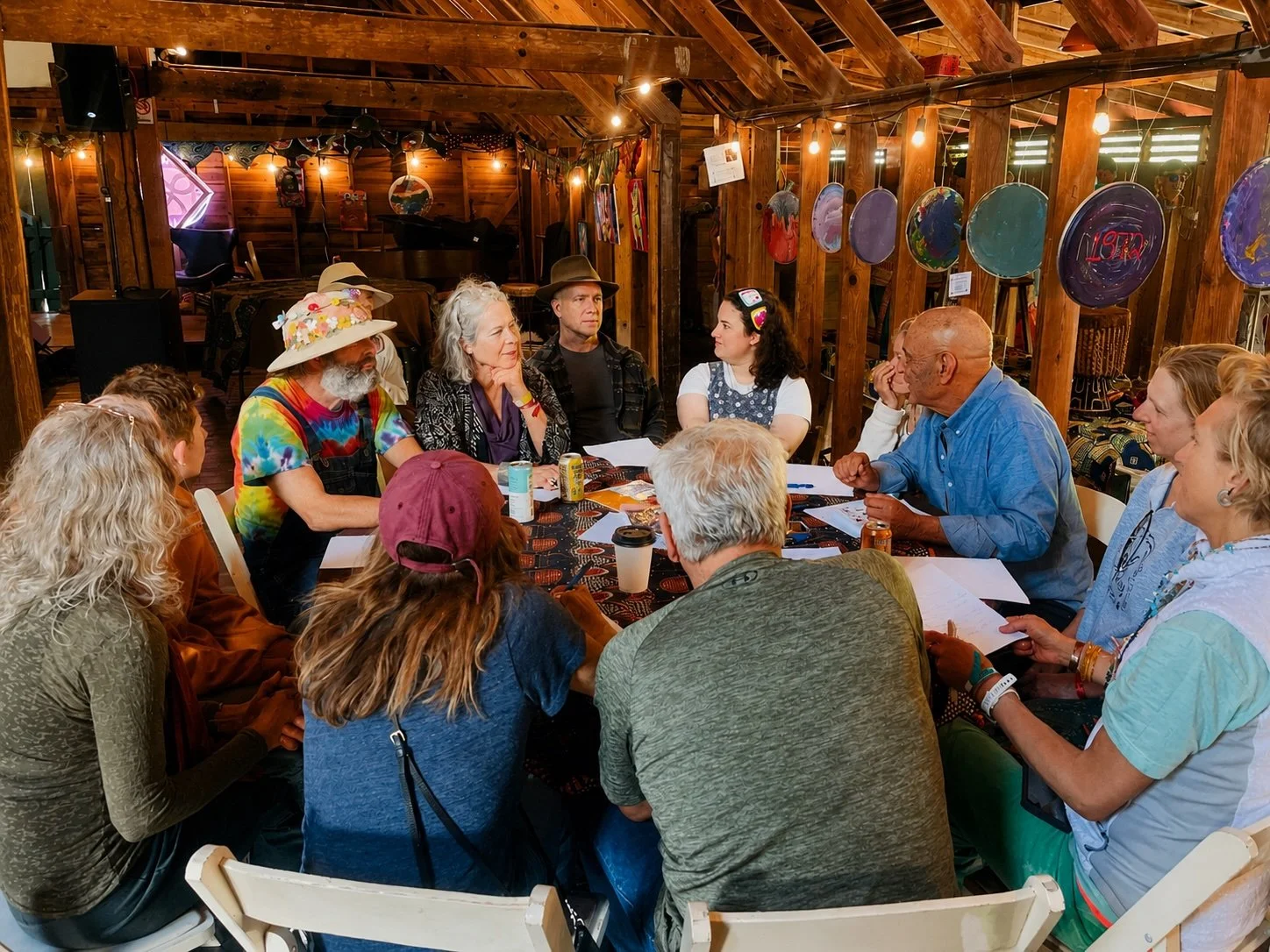
Everything we do in the Imaginative Storm is suitable for writers across the spectrum: from those who consider themselves beginners to published writers with many titles to their name.
Join our Prompt of the Week Zoom to write to a random prompt for 10 minutes! We usually have some newcomers, and we will welcome you. It’s on Thursday at 3 pm PT / 6 pm ET, for an hour.
Explore our Circle site, where we publish the raw material we write in 10 minutes. You’ll get an idea of what’s possible, and how we support one another with appreciation rather than competition or criticism.
Get our Daily Prompt delivered straight to your inbox every morning.
Check out our vast archive of image prompts on YouTube. We guide you step by step in working with the prompt, share what we did in our Saturday session, and time you for 10 minutes while you write.
Let us guide you step by step through the 10 sessions of the Imaginative Storm method, in our self-paced online course Write What You Don’t Know: Imaginative Storm Writer Training. The course includes a monthly live Zoom with Imaginative Storm co-founders Allegra Huston and James Navé. Ask us anything!
Sign up for one of our live workshops, on Zoom or in person, and explore the memoir, or fictional story, you might write.
Order our book Write What You Don’t Know: 10 Steps to Writing with Confidence, Energy, and Flow.
Subscribe to Imaginative Storm on Substack for our newsletter with thoughts on writing.
We hope to see you.
What People Are Saying About imaginative Storm
Testimonials from 12 members of the Imaginative Storm writing community
-
![]()
“You helped me overcome my critic. I went from being a fearful writer to a joyful one.”
— Corinne Crone, intimacy coach
-
![]()
"After Imaginative Storm, writer's block is a myth."
Abdullah H. Erakat, journalist and screenwriter
-
![]()
“This wave of words came in 10 minutes in a beautifully playful space. I find the Imaginative Storm method intriguing, freeing, well-seasoned and lovingly crafted. I am delighted, surprised and nourished every time I jump into it!”
— Esme Olivia, singer/songwriter
-
![]()
"The Imaginative Storm helped me go places I would not normally consider going and kept me from overthinking when I got there. The number of poems from the Imaginative Storm that have been published speaks to the success of the method and its benefit to me as a poet.
— Louis Faber, poet
-
![Wendy Shaw]()
"It's like discovering a part of yourself you didn't know existed. What a gift!"
Wendy Shaw, visual artist
-
![]()
“It’s life-changing. Even if I’m not writing, I’m thinking about writing.”
Deborah Williams, writer and educator
-
![]()
“I am brought ever closer to something Carl Jung said many years ago: ‘Until we make the unconscious conscious, we will live our life and we will call it fate.’ I feel the Imaginative Storm process is ever getting me closer and closer to a more conscious understanding of my life.”
Dan Stenabaugh, writer
-
![]()
“The Imaginative Storm process has given me the freedom to tap so many aspects of myself. It’s so easy to get stuck trying to write about events until you shake up the brain cells and spill them out in a fresher way."
Darlene VanderHoop, writer and yoga instructor
-
![Alice W. Meadows]()
“Writing what I don't know has given me more confidence and freedom and flow to write what I do know. It's like having a base camp to set out on writing adventures."
Alice W. Meadows, writer
-
![]()
"What this process teaches us to do is to be with the percolating of all the chaos inside us. It's raw, but the pen keeps going and amazing things arise."
Arlene Shapiro, performer and writer
-
![]()
"Imaginative Storm opens up this creative cave, gives me a shovel and shows me where to dig. It says, ‘Look at this gem! Look at that gem!’ Before I know it, I’m mining words that tumble out on to the page."
Sandi Dittmer, writer