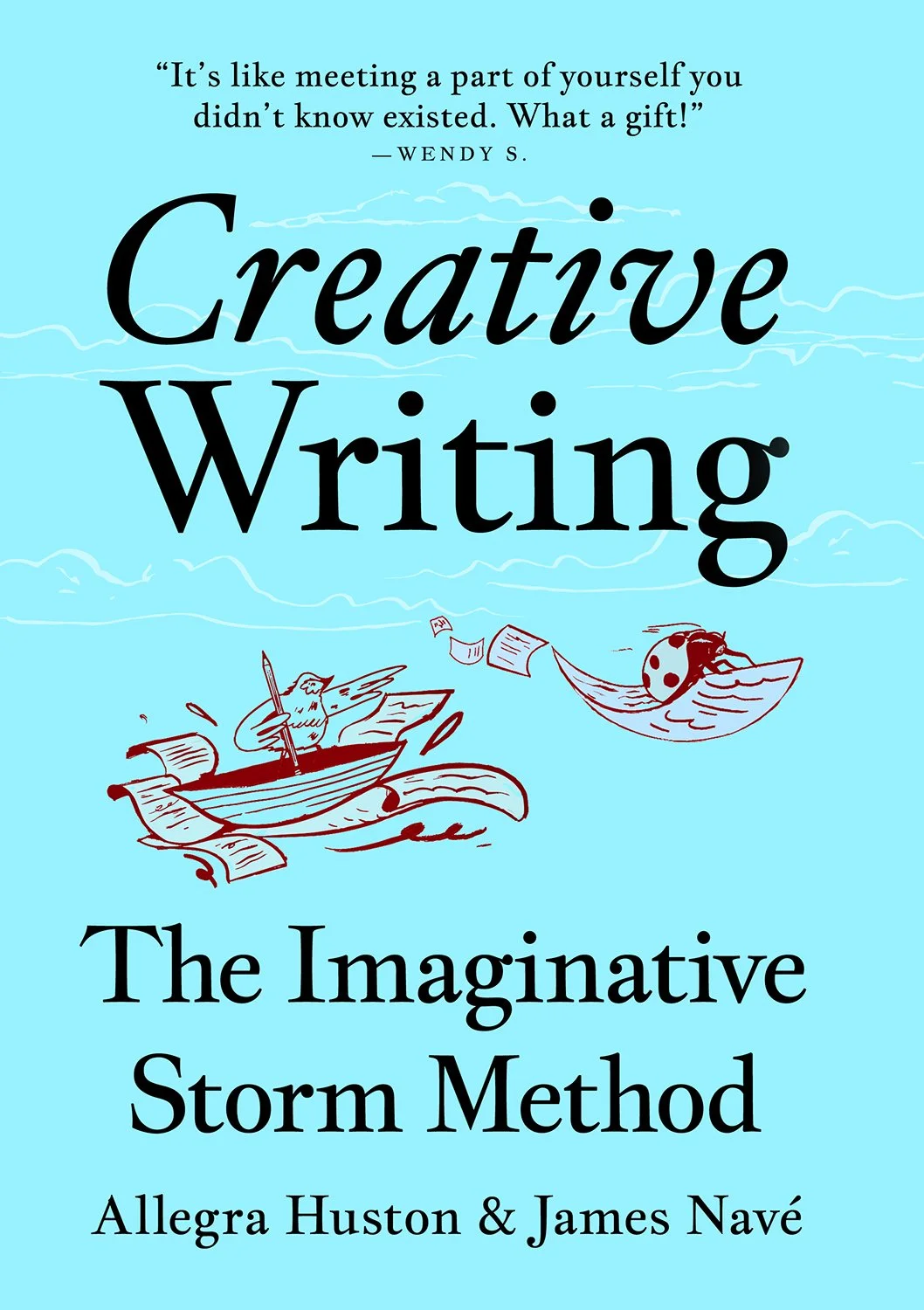
The Imaginative Storm Creative Writing Method
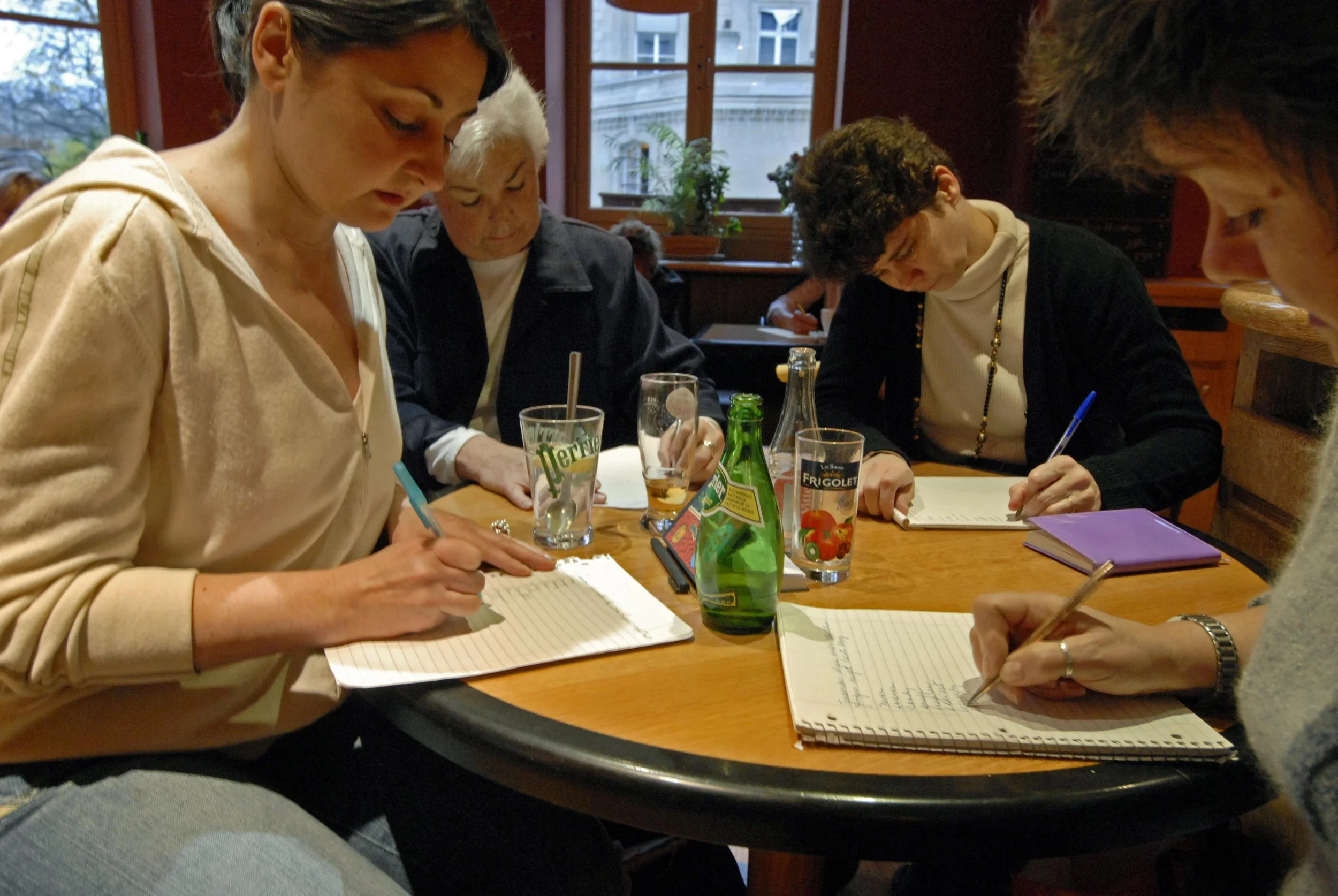
The Imaginative Storm Method
The method Allegra and James built together is disciplined and generative in equal measure: timed prompts that drop writers into a flow state, paired with craft instruction on voice, structure, and form. It doesn't ask you to write what you know. It asks you to write what you don't know and trust that what comes out will have originality, authenticity, and verve.
The result is a kind of writing that surprises even the person doing it. Fragments that felt scattered begin to connect. A voice you half-recognized as your own grows steadier on the page. The Imaginative Storm method works because it removes the pressure to be good and replaces it with the freedom to be honest—and honest writing, it turns out, is usually the best writing you have in you. It is not a lecture you sit through. It is a practice you build, one prompt at a time.
How the Imaginative Storm Method Works
The Imaginative Storm method is powered by curiosity.
Curiosity is stronger than criticism, stronger than anxiety, stronger than doubt. When you’re curious, you forget about trying to write well and just write—so you replace effort with flow, and writer’s block becomes a thing of the past.
Curiosity builds courage. Courage builds confidence. Confidence builds adventurous, original writing.
When you write in the Imaginative Storm, you throw caution to the winds—and allow the winds of inspiration to guide your pen.
Core Principles of the Imaginative Storm Method
Start with a powerful writing prompt, to invite your imagination to play
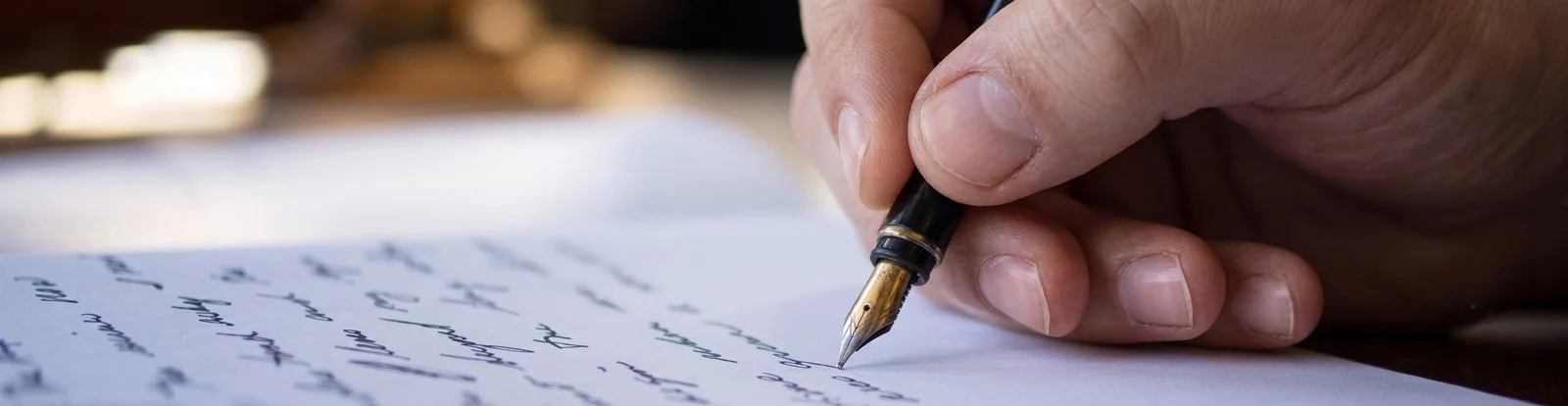
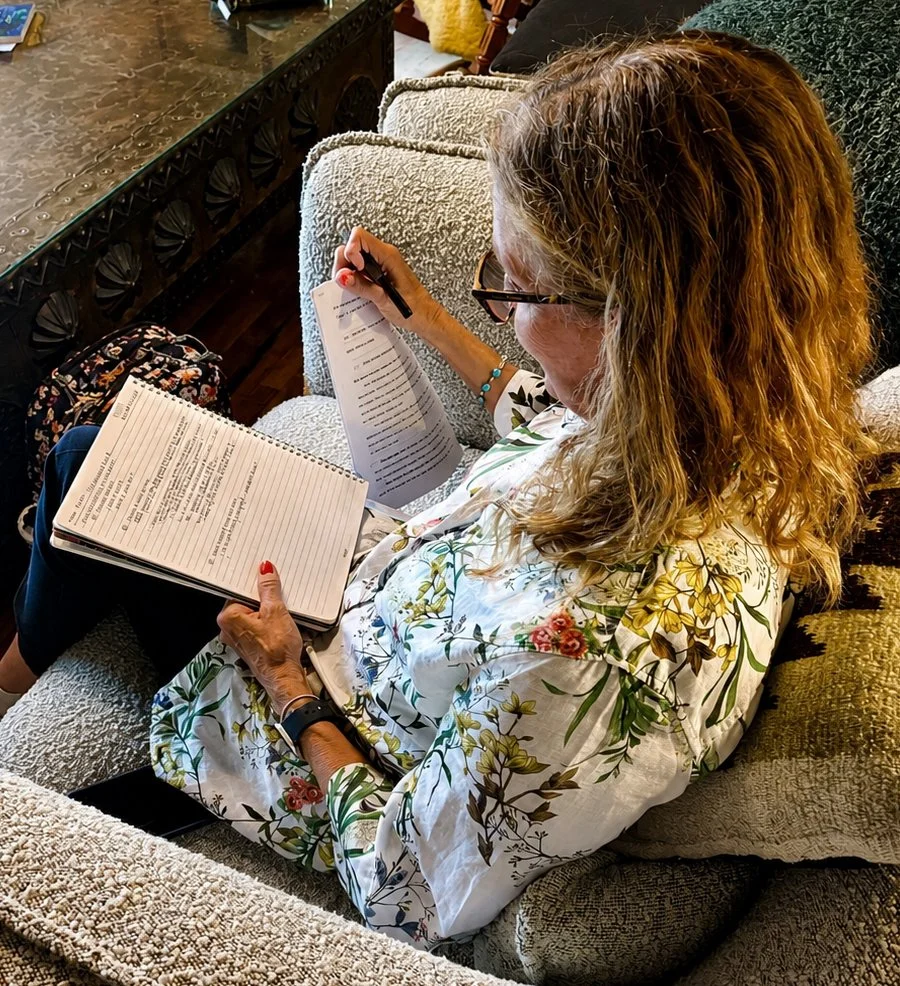
Write by hand, to keep it messy and promote creative flow. LEARN MORE
Use a 10-minute timer, to quiet the inner critic and lower the stakes
Use evocative word lists to spark surprising ideas and fuel original language
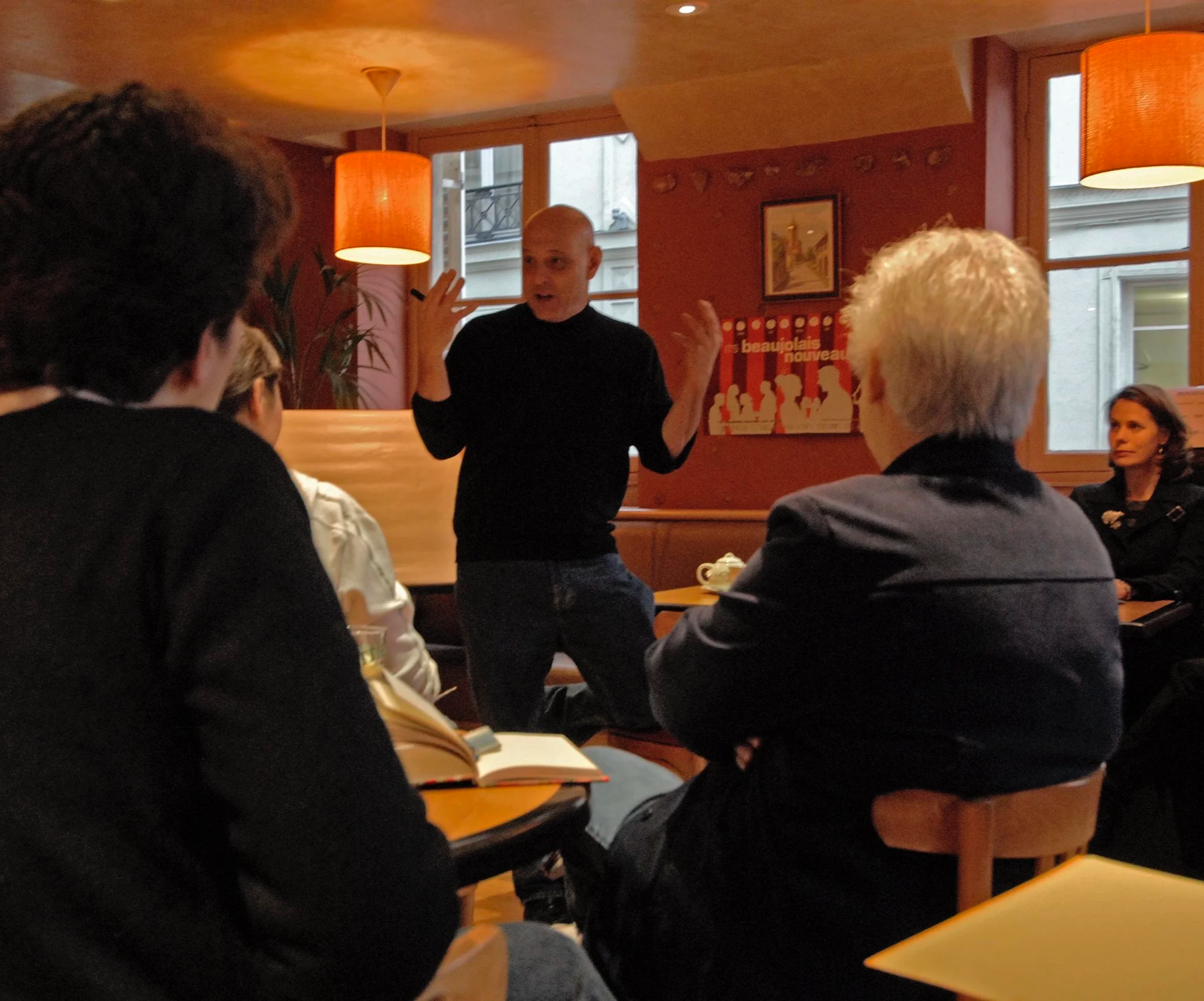
Read your work aloud in a safe, supportive space to appreciate and strengthen your writing voice, LEARN MORE
Write what you DON’T know, to allow your imagination to surprise you
How Can You Write What You Don’t Know?
The classic writing advice tells you to “write what you know.” But that’s exactly what stifles your imagination.
Writing what you don’t know doesn’t mean writing from ignorance. It means not pre-thinking what you’re going to write. When you approach an idea, a memory, a scene, from an unexpected angle, your imagination gets jazzed up and surprises you. That’s where your most original, most powerful writing comes from.
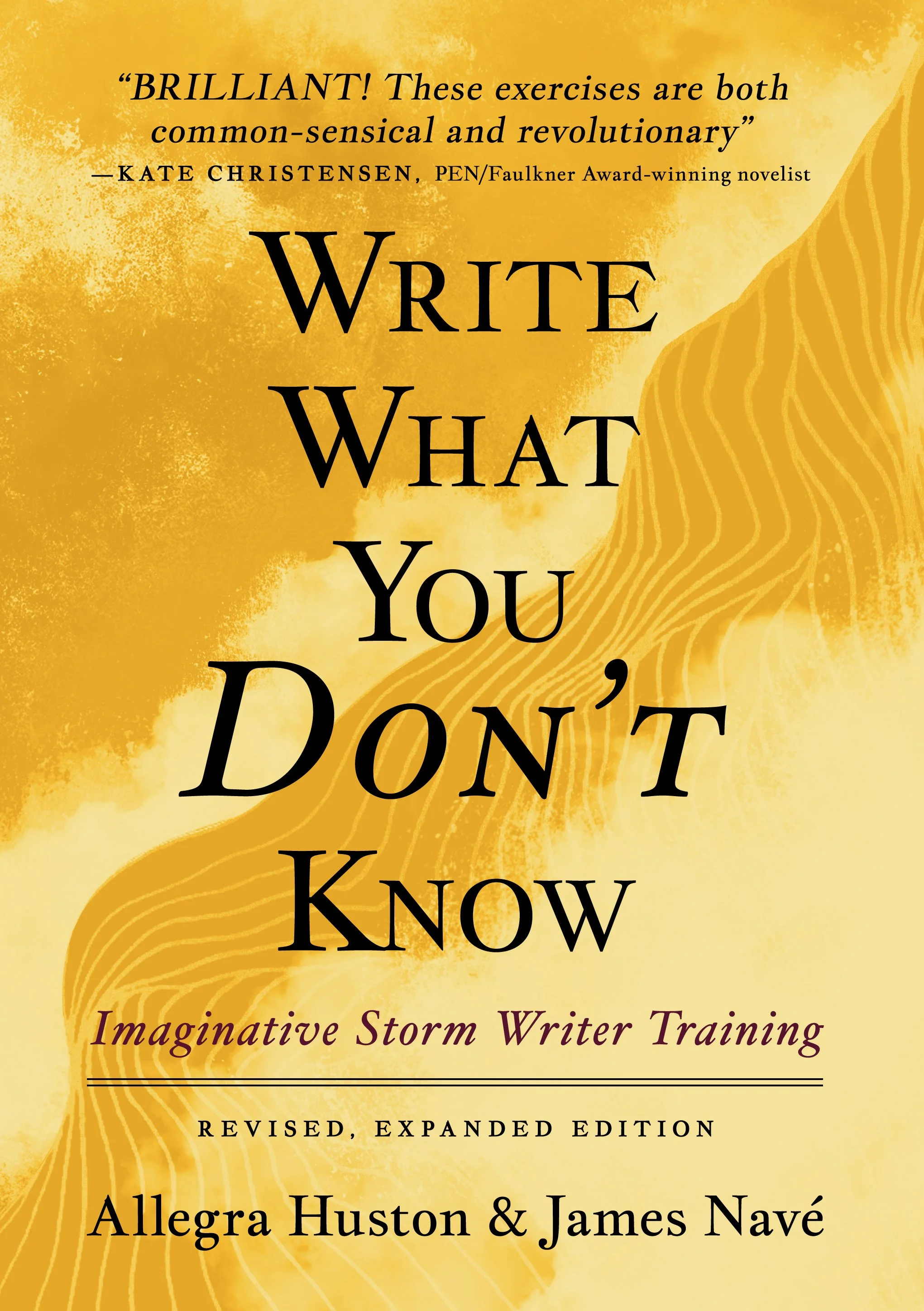

The 6 Secrets of Writing What You Don’t Know
1. What you don’t know is as important as what you know.
Because in life, we don’t know far more than we know. So getting that sense of not-knowing into your writing gives it the spark of life.
2. You don’t need answers to begin. You need questions.
Curiosity, not certainty, is the source of originality and verve.
3. Writing what you don’t know helps you grow into the person who knows.
As you write, you learn more about yourself, your past, and the mysteries of human nature. Your universe expands.
4. The unknown isn’t just dark. It’s full of light you haven’t named yet.
Not knowing doesn’t mean you’re lost. It means you have the potential to find something. An image, an insight—maybe yourself.
5. You write not to display what you know, but to uncover what you don’t know.
Great writing isn’t performative. It’s revelatory—for the writer as well as the reader.
6. Fear is often a signal you’re on the right path.
That material wouldn’t scare you if it wasn’t powerful! Courage in revealing your vulnerability gives your readers courage to accept their own.
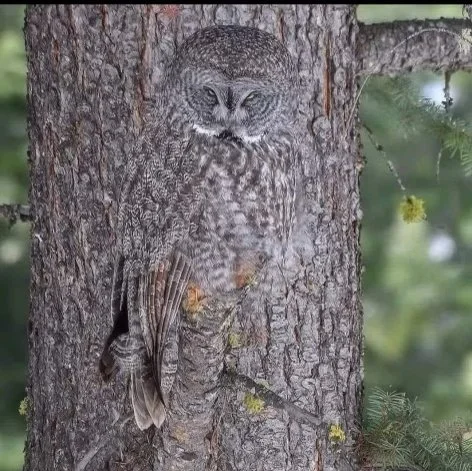
If we gave you 10 minutes, what might you write about this perfectly camouflaged owl?
What Our Participants Say
-
![]()
“You helped me overcome my critic. I went from being a fearful writer to a joyful one.”
— Corinne Crone, intimacy coach
-
![]()
"After Imaginative Storm, writer's block is a myth."
Abdullah H. Erakat, journalist and screenwriter
-
![]()
“This wave of words came in 10 minutes in a beautifully playful space. I find the Imaginative Storm method intriguing, freeing, well-seasoned and lovingly crafted. I am delighted, surprised and nourished every time I jump into it!”
— Esme Olivia, singer/songwriter
-
![]()
"The Imaginative Storm helped me go places I would not normally consider going and kept me from overthinking when I got there. The number of poems from the Imaginative Storm that have been published speaks to the success of the method and its benefit to me as a poet.
— Louis Faber, poet
-
![Wendy Shaw]()
"It's like discovering a part of yourself you didn't know existed. What a gift!"
Wendy Shaw, visual artist
-
![]()
“It’s life-changing. Even if I’m not writing, I’m thinking about writing.”
Deborah Williams, writer and educator
-
![]()
“I am brought ever closer to something Carl Jung said many years ago: ‘Until we make the unconscious conscious, we will live our life and we will call it fate.’ I feel the Imaginative Storm process is ever getting me closer and closer to a more conscious understanding of my life.”
Dan Stenabaugh, writer
-
![]()
“The Imaginative Storm process has given me the freedom to tap so many aspects of myself. It’s so easy to get stuck trying to write about events until you shake up the brain cells and spill them out in a fresher way."
Darlene VanderHoop, writer and yoga instructor
-
![Alice W. Meadows]()
“Writing what I don't know has given me more confidence and freedom and flow to write what I do know. It's like having a base camp to set out on writing adventures."
Alice W. Meadows, writer
-
![]()
"What this process teaches us to do is to be with the percolating of all the chaos inside us. It's raw, but the pen keeps going and amazing things arise."
Arlene Shapiro, performer and writer
-
![]()
"Imaginative Storm opens up this creative cave, gives me a shovel and shows me where to dig. It says, ‘Look at this gem! Look at that gem!’ Before I know it, I’m mining words that tumble out on to the page."
Sandi Dittmer, writer
-
![]()
"At our family get-togethers we often play charades, but this is a great alternative: we'll look at the picture and all take the ten minutes, follow the Imaginative Storm program. It's a nice change of pace, and it's fun."
— Jay Kogan, New York






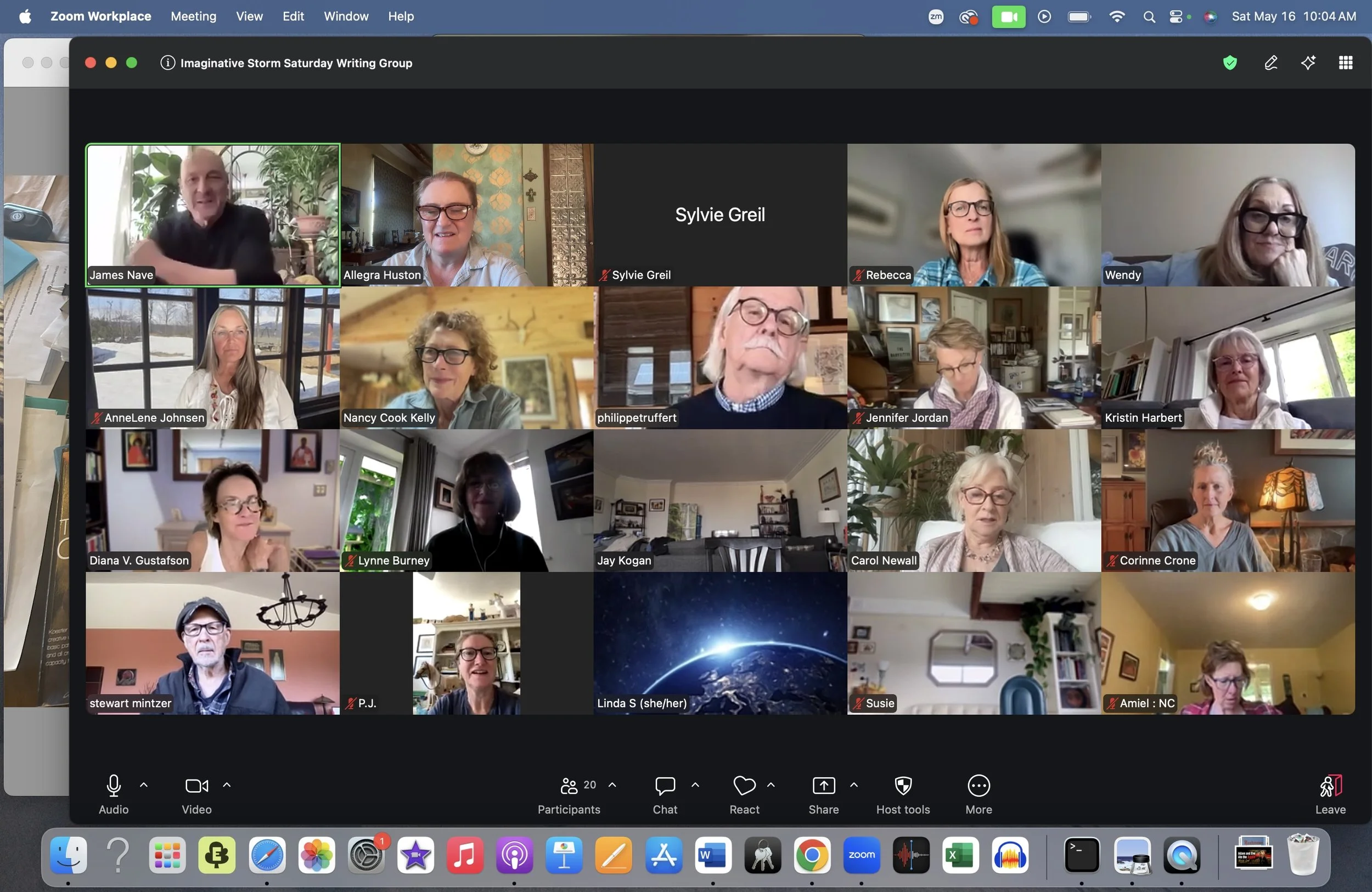
Video Testimonials from Our Participants

Books About Writing by Allegra Huston & James Navé