How to Write a Memoir

You can write memoir without writing an actual memoir.
Let’s say you’re creating a cookbook and you want to include how you learned a recipe—you’re writing memoir. Or an article on car maintenance or skiing or whatever your expertise or enthusiasm is: including some material about your experience will make your piece more lively and engaging to a reader.
Or, let’s say you’re writing “autofiction,” or fiction based on your own life. This is memoir in disguise, with permission to alter the truth. In fact, all novelists draw from their own experiences for their stories, since we are all our own best source of information about human nature.
How Do You Write a Full-Length Memoir?
Let’s say you want to write an actual memoir: a full-length book telling a story that happened to you. You probably have a lot of questions, so we’ll answer the most common ones.
-
A memoir is like a novel: it’s a story with a beginning, middle, and end, in which you are the main character. An autobiography is the record of someone’s life to date: usually a famous person whom people want to know about.
-
Most great memoirs are written by people who weren’t famous before writing them. Mary Karr, Jeannette Walls, Tobias Wolff…. You are absolutely entitled to write a memoir, if you have a story to tell.
-
People care about characters in books, and they’re not even real. So you’re starting with an advantage! They’ll care about you for the sane reason they care about characters in novels: because they identify with your desires and needs and struggles, and are intrigued by your account of how you handle what life threw at you.
-
There’s no rule about when you should or shouldn’t write a memoir. If you’re young and you have a story to tell that reaches some kind of conclusion, go ahead and tell it!
-
Big question! Most memoirs are in some way a story of transformation. So asking yourself, ”What was my transformation?” is a great place to start.
-
You don’t have to know when you start writing as Allegra explains in the video “Do You Need an Outline?” below. Generate material and allow your imagination to surprise you by making connections you didn’t realize were there. Likely some incidents you think are very important will turn out not to be, and others that seem trivial or forgotten right now will become turning points. This is why writing a memoir is an exciting exploration: your story may not be quite what you thought it was.
And some short videos by co-founder Allegra Huston


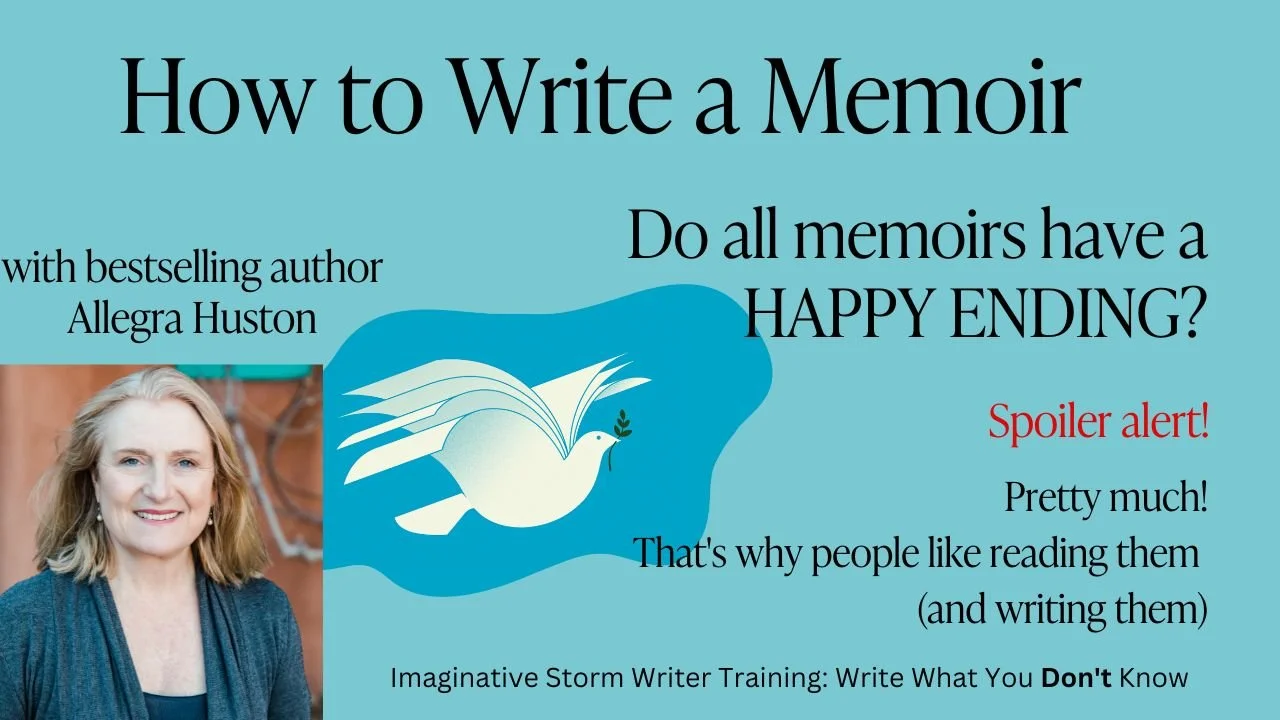
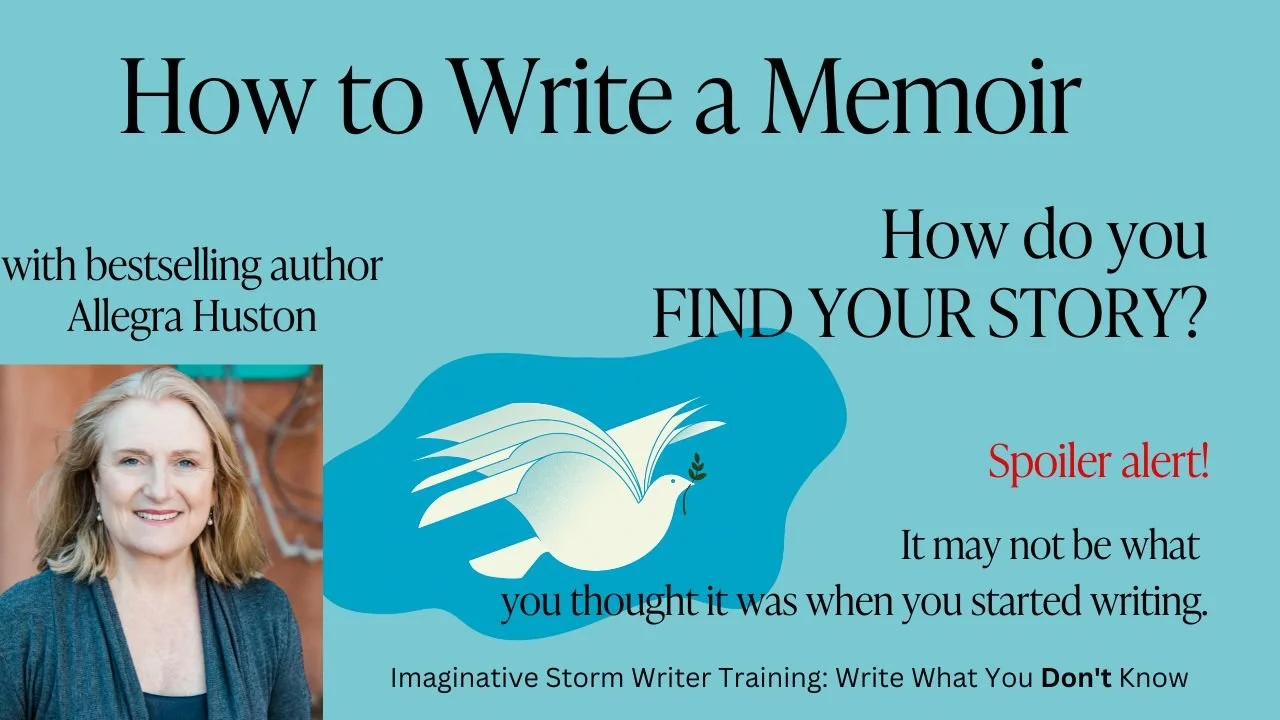
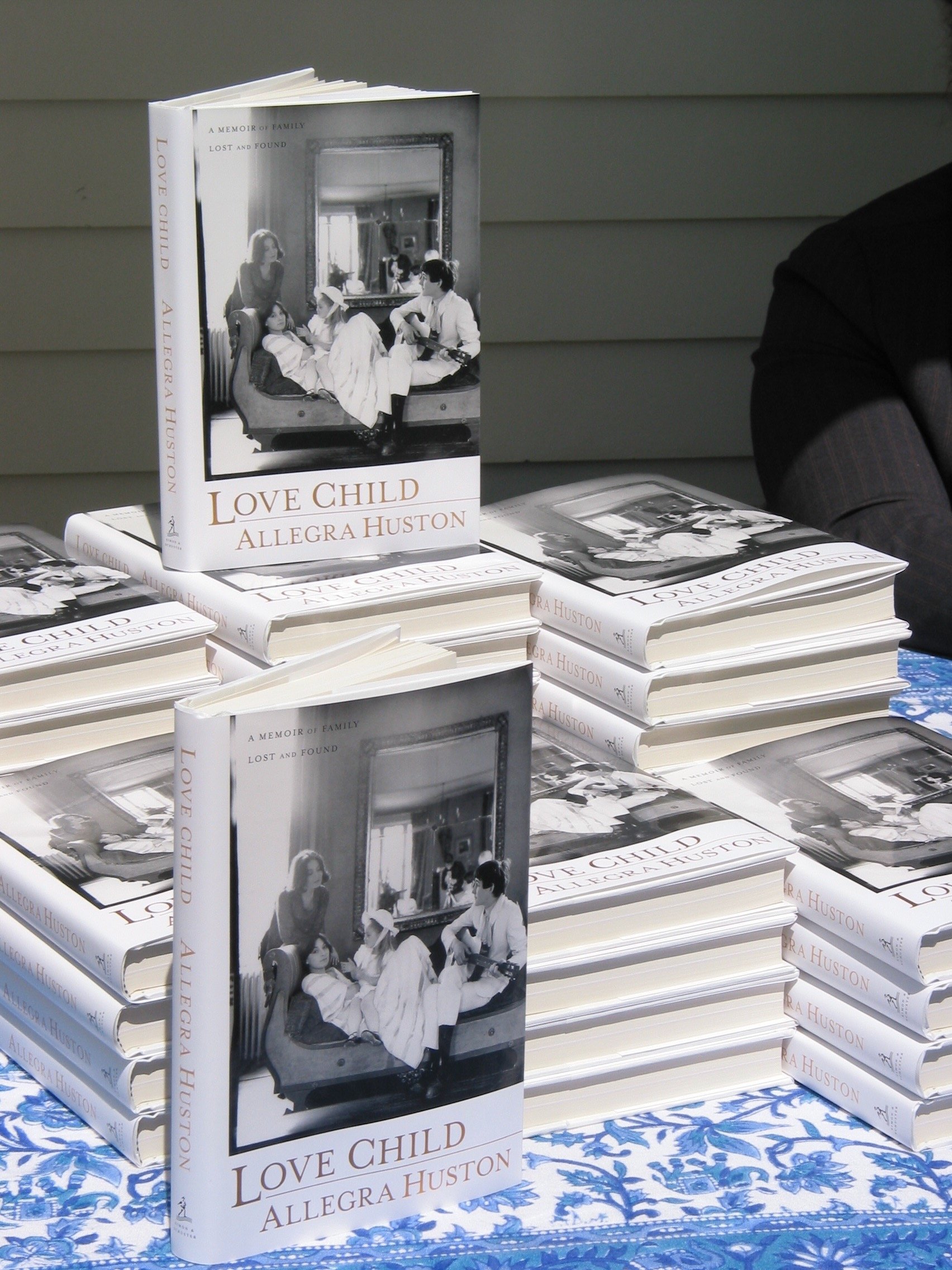
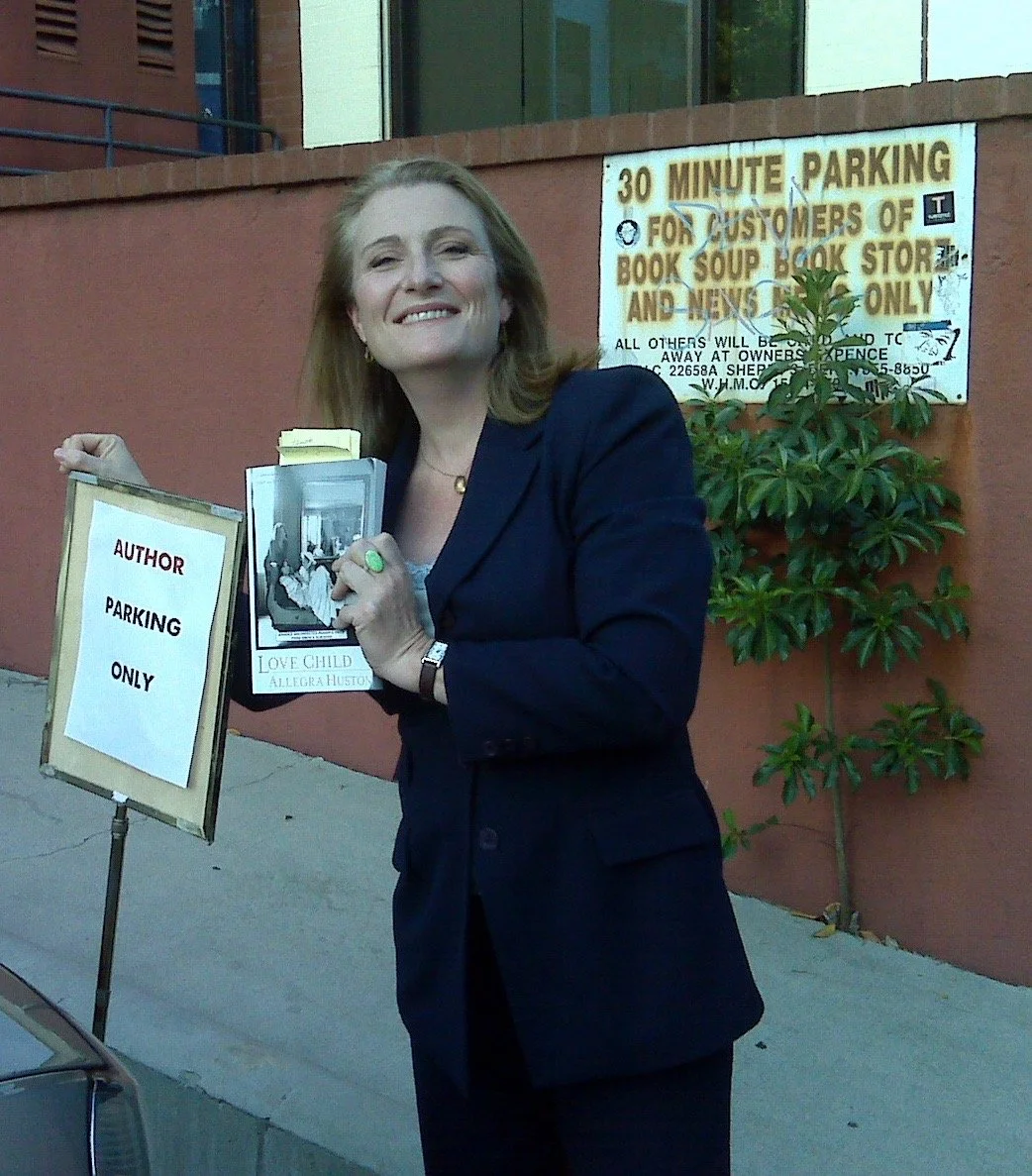
Allegra’s memoir, Love Child: A Memoir of Family Lost and Found, was highly praised by critics and other writers including Salman Rushdie, Simon Schama, and Susanna Moore. As an editor, she has worked on memoirs by many distinguished writers.
Please book a call if you need more questions answered.
Excellent Memoirs to Inspire You
Nick Flynn, Another Bullshit Night in Suck City
A terrific exemplar of how to start a tory at the beginning, when it is not the chronological beginning. The memoir that solved
Allegra’s where-to-begin problem as she turned the material of Love Child into a finished book.
Mary Karr, The Liar’s Club
Notice how often she writes “I don’t remember.”
Jeannette Walls, The Glass Castle
Notice how brilliantly the opening scene encapsulates two characters and the conditions of a life.
Cheryl Strayed, Wild
Notice how she can return to the present of her past; she wrote this 20 years after the hike.
Min Kym, Gone
Notice how she Imaginative Storm-type prompts to generate material; the visible traces add to the authenticity.
Brian Keenan, An Evil Cradling
The interior journey of a man held hostage for six years, learning how not to hate.
Alexandra Fuller, Don’t Let’s Go to the Dogs Tonight
A great example of how to portray an ugly mindset from the inside, without lecturing or second-guessing, but holding a strong moral perspective.
Helen Macdonald, H is for Hawk
Notice now elegantly she weaves together grief, memory, and her feelings about another book on falconry—all in the journey of recovering her sense of self.
Patti Smith, Just Kids
Notice the tenderness, the lack of judgment, how she captures the innocence, and how imperceptibly it disappears.
Salman Rushdie, Joseph Anton
The memoir of his years in hiding, written in third person—an unusual and memorable decision.
Salman Rushdie, Knife
A plain first-person account, in contrast to Joseph Anton, taking us moment by moment through the ordeal of recovering from an attempted murder (plus a shout-out to Allegra!).
Chloe Dalton, Hare
The author shares her house with a wild hare, without anthropomorphizing, without making the hare a pet. A triumph of restraint and close attention.
Kat Duff, The Alchemy of Illness
A delicately nuanced portrayal of how illness transforms a personality and a character.
Edward Abbey, Desert Solitaire
A memoir doesn’t have to be one continuous story. Place holds this together.
Andrea Scrima, A Lesser Day
You might call this “experimental”—we don’t always know where we are in place or time, yet the picture builds into a powerfully emotional collage.
Abigail Thomas, Housekeeping
Like Andrea Scrima’s memoir, this is unconventional; short pieces stitched together, sometimes first-person, sometimes third-person —a picture of a time in a life.
Brian Keating, Losing the Nobel ‘Prize
Primarily a science book recounting an experiment designed to find traces of the Big Bang, it also includes chapters of memoir and polemic. A great example of how to use memoir to enliven and personalize a book on a subject you’re passionate about.
And our own memoirs
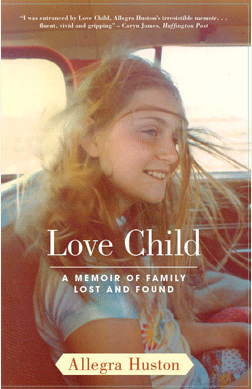
Allegra Huston
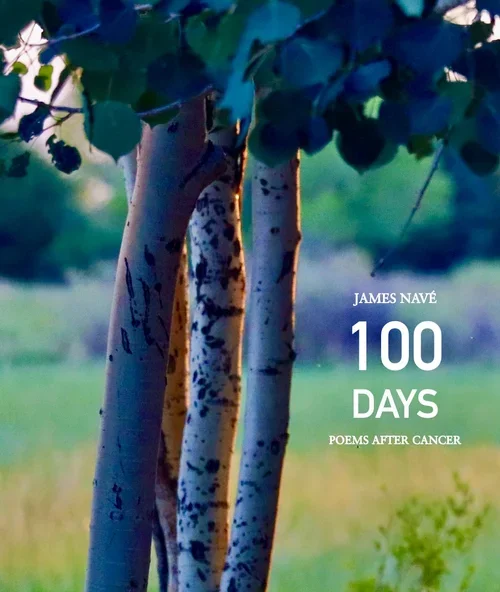
James Navé

Memoir Resources
Imaginative Storm Writer Training
This live online 10-week course was developed by co-creator Allegra Huston, author of the best-selling memoir Love Child, with both fiction and memoir writers in mind. You’ll be guided through our curriculum in a small cohort of other writers, receiving craft advice and coaching from co-creator James Navé.
Write What You Don’t Know audio or video course
The same curriculum as Imaginative Storm Writer Training, in a self-paced course you can work with at your own convenience. It covers every major aspect of telling a compelling story, whether fiction or nonfiction.
The Manageable Memoir
Not all memoirs have to be full-length books, with a continuous plotline. We’ve developed a method for creating a kind of collaged memoir, inspired by Imaginative Storm co-founder James Navé’s book 100 Days: Poems After Cancer.
This self-paced online course is approximately 90 minutes: also short and manageable. Use it to build a memoir in 100 days .Or less.
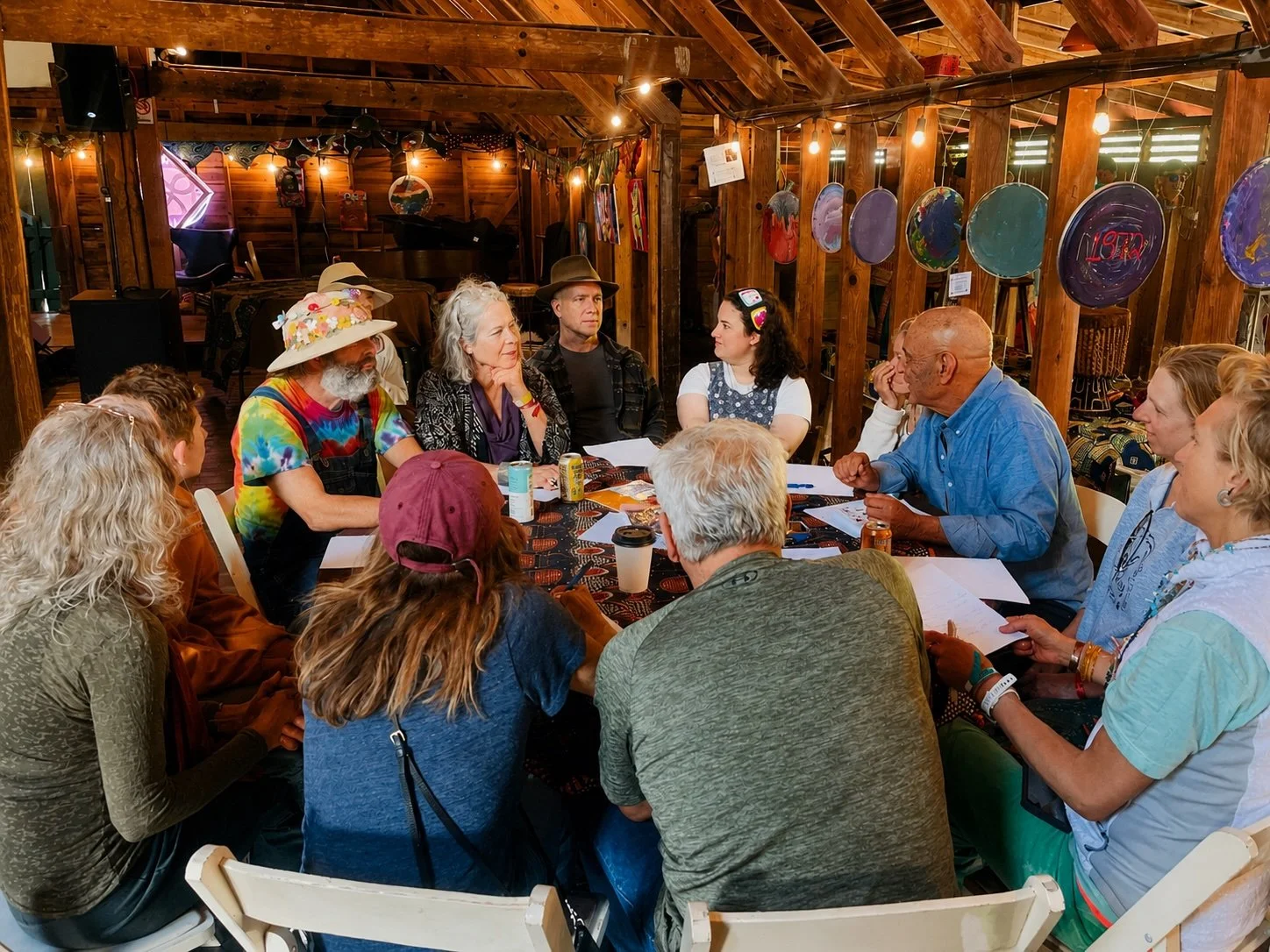
Come Write with Us!
Everything we do in the Imaginative Storm is suitable for writers across the spectrum: from those who consider themselves beginners to published writers with many titles to their name.
Join our Weekly Writing Circle on Zoom to write to a random prompt for 10 minutes! We usually have some newcomers, and we will welcome you. It’s on Saturday at noon ET.
Explore our Community Circle site, where we publish the raw material we write in 10 minutes. You’ll get an idea of what’s possible, and how we support one another with appreciation rather than competition or criticism.
Get our Daily Prompt delivered straight to your inbox every morning.
Check out our vast archive of image prompts on YouTube. We guide you step by step in working with the prompt, share what we did in our Weekly Writing Circle Saturday session, and time you for 10 minutes while you write.
Let us guide you step by step through the 10 sessions of the Imaginative Storm method, in our self-paced online course Write What You Don’t Know: Imaginative Storm Writer Training.
Sign up for one of our live workshops, on Zoom or in-person retreats, and explore the memoir, or fictional story, you might write.
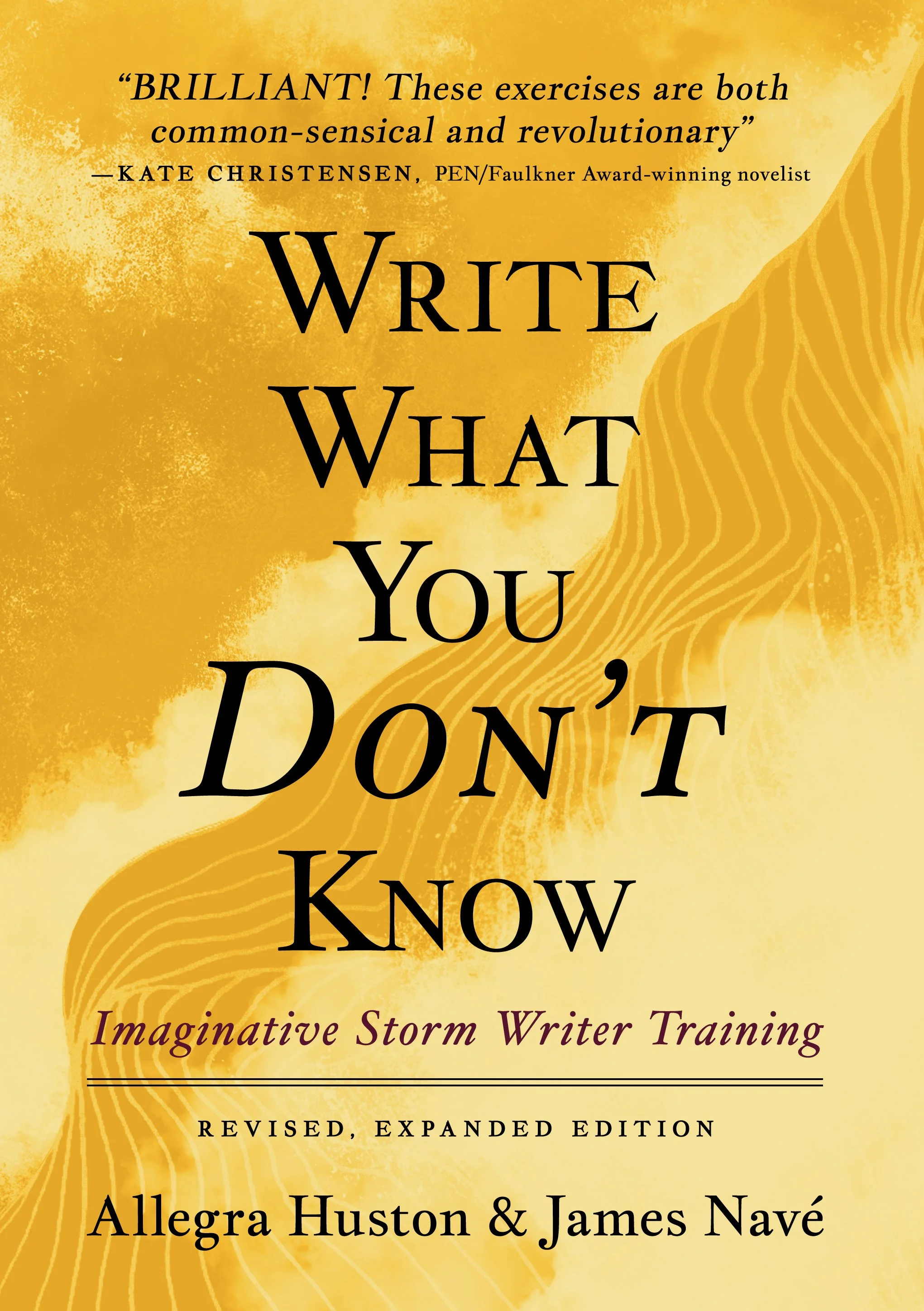
Order our book Write What You Don’t Know
We hope to see you.

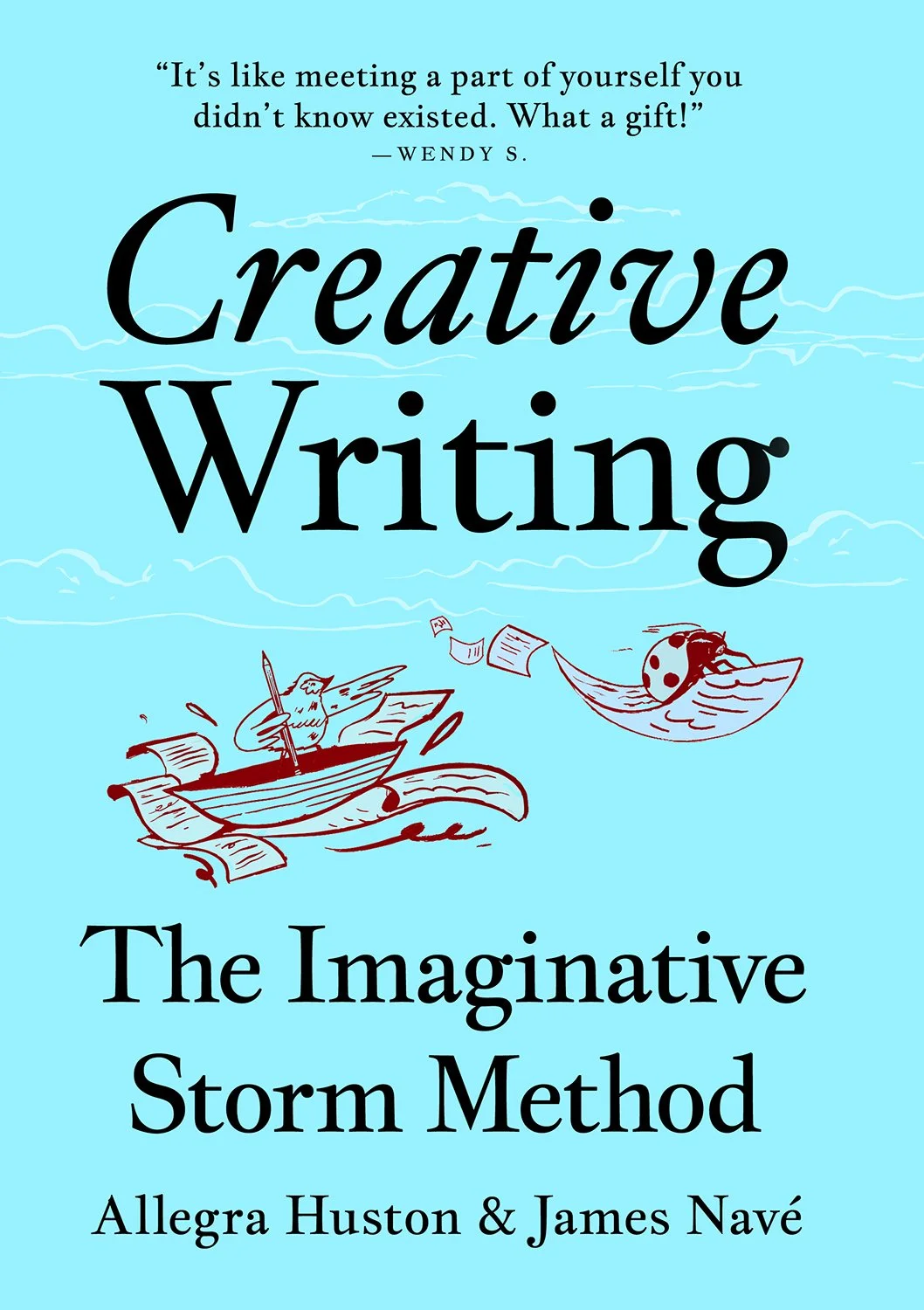
Books About Writing by Allegra Huston & James Navé


What People Are Saying About Imaginative Storm
Testimonials from 12 members of the Imaginative Storm writing community
-
![]()
“You helped me overcome my critic. I went from being a fearful writer to a joyful one.”
— Corinne Crone, intimacy coach
-
![]()
"After Imaginative Storm, writer's block is a myth."
Abdullah H. Erakat, journalist and screenwriter
-
![]()
“This wave of words came in 10 minutes in a beautifully playful space. I find the Imaginative Storm method intriguing, freeing, well-seasoned and lovingly crafted. I am delighted, surprised and nourished every time I jump into it!”
— Esme Olivia, singer/songwriter
-
![]()
"The Imaginative Storm helped me go places I would not normally consider going and kept me from overthinking when I got there. The number of poems from the Imaginative Storm that have been published speaks to the success of the method and its benefit to me as a poet.
— Louis Faber, poet
-
![Wendy Shaw]()
"It's like discovering a part of yourself you didn't know existed. What a gift!"
Wendy Shaw, visual artist
-
![]()
“It’s life-changing. Even if I’m not writing, I’m thinking about writing.”
Deborah Williams, writer and educator
-
![]()
“I am brought ever closer to something Carl Jung said many years ago: ‘Until we make the unconscious conscious, we will live our life and we will call it fate.’ I feel the Imaginative Storm process is ever getting me closer and closer to a more conscious understanding of my life.”
Dan Stenabaugh, writer
-
![]()
“The Imaginative Storm process has given me the freedom to tap so many aspects of myself. It’s so easy to get stuck trying to write about events until you shake up the brain cells and spill them out in a fresher way."
Darlene VanderHoop, writer and yoga instructor
-
![Alice W. Meadows]()
“Writing what I don't know has given me more confidence and freedom and flow to write what I do know. It's like having a base camp to set out on writing adventures."
Alice W. Meadows, writer
-
![]()
"What this process teaches us to do is to be with the percolating of all the chaos inside us. It's raw, but the pen keeps going and amazing things arise."
Arlene Shapiro, performer and writer
-
![]()
"Imaginative Storm opens up this creative cave, gives me a shovel and shows me where to dig. It says, ‘Look at this gem! Look at that gem!’ Before I know it, I’m mining words that tumble out on to the page."
Sandi Dittmer, writer