

Write What You Don’t Know: The Imaginative Storm Book and Method

The Heart of the Imaginative Storm Method
Something has been waiting a long time for you to write it. What's holding you back? An idea, but not enough material? No idea where to start? Your own inner critic snarking at you that your writing isn't good enough, or you're not a writer? Well, once you start writing, you're a writer. And in the very first session of Write What You Don't Know, you'll write with a power that surprises you. You'll say to yourself, "I had no idea I could write like that!"
It's happened time and time again, for hundreds of writers.
Write What You Don’t Know sits at the center of everything Imaginative Storm teaches. The underlying idea is simple and slightly counterintuitive. Write what you already know, and you are trying to download words from your head that, when they hit the page, often feel dull, lifeless, and secondhand. When you write what you don’t know, you don't pre-think, you don't try to write well, and you allow your imagination to lead. Now you are exploring, playing, and discovering, so the words have an authenticity, originality, and emotional charge that effortful writing cannot capture.
Timed prompts get you there quickly, before the inner critic has time to clear its throat. Craft instruction then tells you what the material needs.
Disciplined free-writing on one side, real craft instruction on the other. Almost nothing else pairs them. As one participant put it, the method “actually combines free writing with craft and technique.” The prompts open you up, the craft gives you something to do with what comes out, and both happen in the same session, on the pages you have just written.
Write What You Don't Know was designed to work equally well for memoir, fiction, poetry, and creative nonfiction.
What is the Imaginative Storm Method?
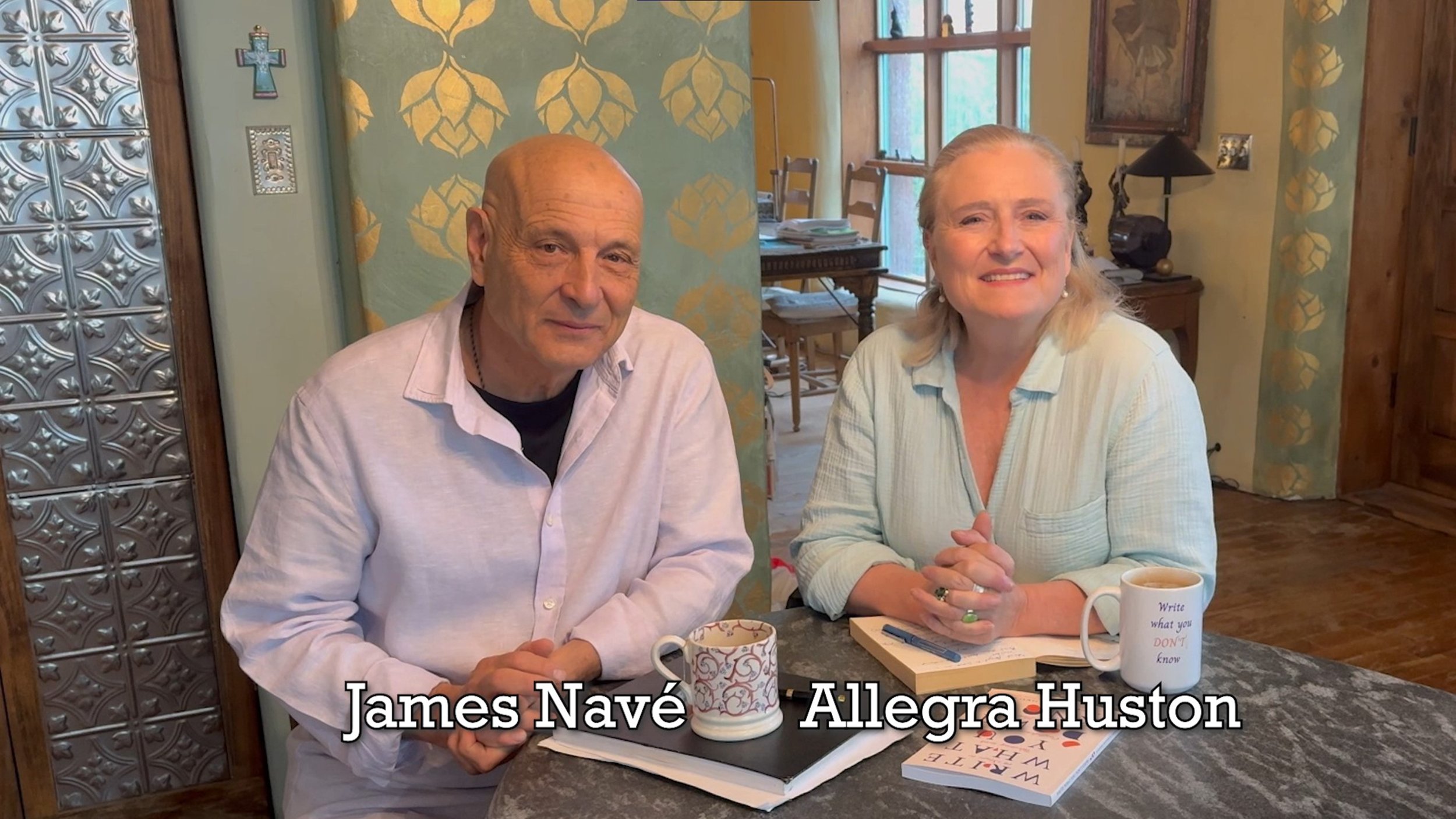
In this three-minute video, James Navé and Allegra Huston explain how they developed the Imaginative Storm method and what makes it so special.
One Method, Four Ways to Experience It
One method, four doors. Read it, train live with a group over ten weeks, listen on headphones, or watch at your own pace. The substance does not change from one to the next: ten sessions, the same principles, the same prompts. What shifts by the end is more than the writing. People finish this course with a rediscovered joy in creativity, a firm momentum, and a new confidence not just in their writing but in themselves.
Read the Book
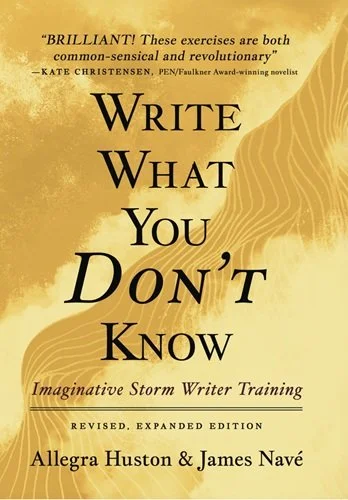
The revised and expanded edition runs 198 pages and holds the whole method: the ten steps, the prompts, and new essays on the parts of writing that matter most. Writers use it alone, in pairs, and as the backbone of groups they run themselves. If you like to learn with a pen in your hand and nothing in your calendar, start here. Read it straight through, or open it wherever the day sends you.

Watch: The Video Course
The same ten sessions, filmed, with Allegra and James speaking directly to you. Watch one, do the prompts, come back when the next one calls. Seeing the method demonstrated helps some writers, who catch the pacing, the tone, and the small shifts in how a prompt is framed. Take a session a week, or three in a weekend.
Which Format Is Right for You?
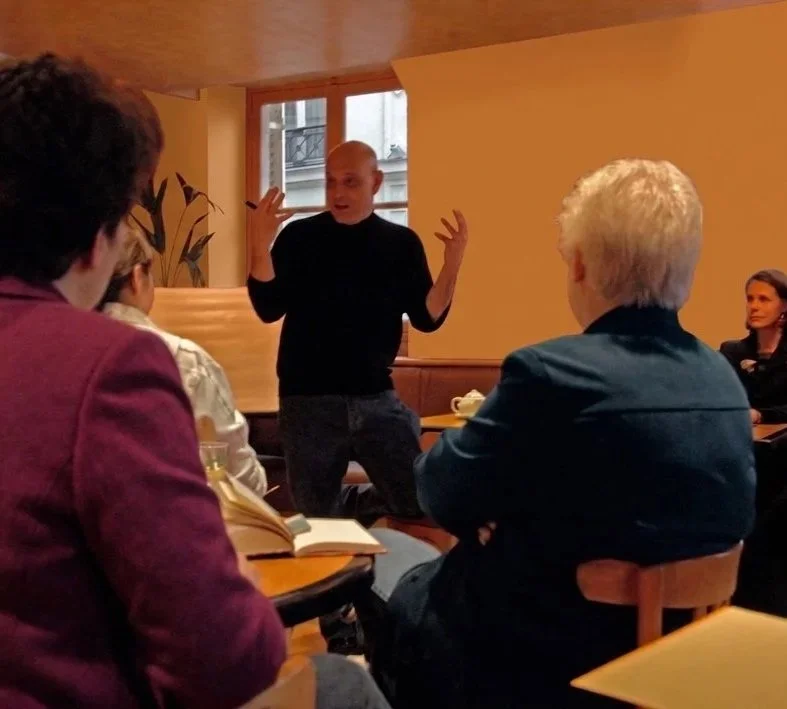
There is no wrong answer, so start with the honest question: how much time can you devote to your urge to write? If the answer is two and a half hours a week, at a fixed time, train live. You get a group who notices when you go missing—accountability, the thing most writers either yearn for or underrate until they have it. If the answer is "whatever I can find," take the audio or the video course and move at your own speed. Nothing expires and nobody is waiting on you. If the answer is that you are not sure yet, buy the book. The method will unfold for you and you'll get a clear idea of where it can take you.
How do you like to learn? Some people need to read something before they try it. Some need to hear someone talking about it. Some need to watch it done. Most writers end up using more than one format, in whatever order suits them, and whatever you choose first doesn't rule anything else out.
And if you would rather test the Imaginative Storm method before diving into the full course, join the Weekly Writing Circle this Saturday, or next.
Ten sessions (plus welcome and farewell) which you can download from your usual podcast app and take anywhere: the car, the trail, the kitchen before anyone else is up. Allegra and James talk you through each step and keep the time for you, so all you need are a notebook, a pen, and somewhere to sit.
Listen: The Audio Course

Train Live: The 10-Week Writer Training
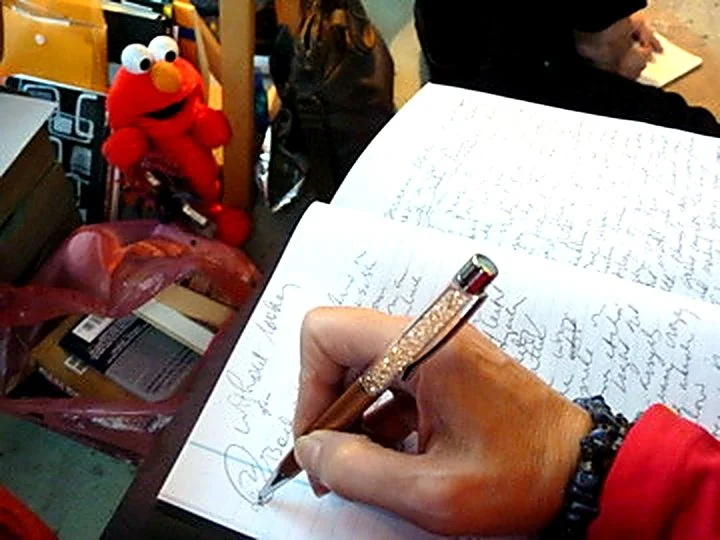
The training takes the method off the page and into a live online room with other writers. Ten weeks on Zoom, deliberately small, with co-creator James Navé leading every session. You write in 5- or 10-minute bursts, then read your work aloud. Instruction is general, and focused on useful concepts rather than on critiquing your writing. You finish the ten weeks with forty new pieces and a powerful toolbox to take into the rest of your writing life.

Meet Allegra Huston and James Navé
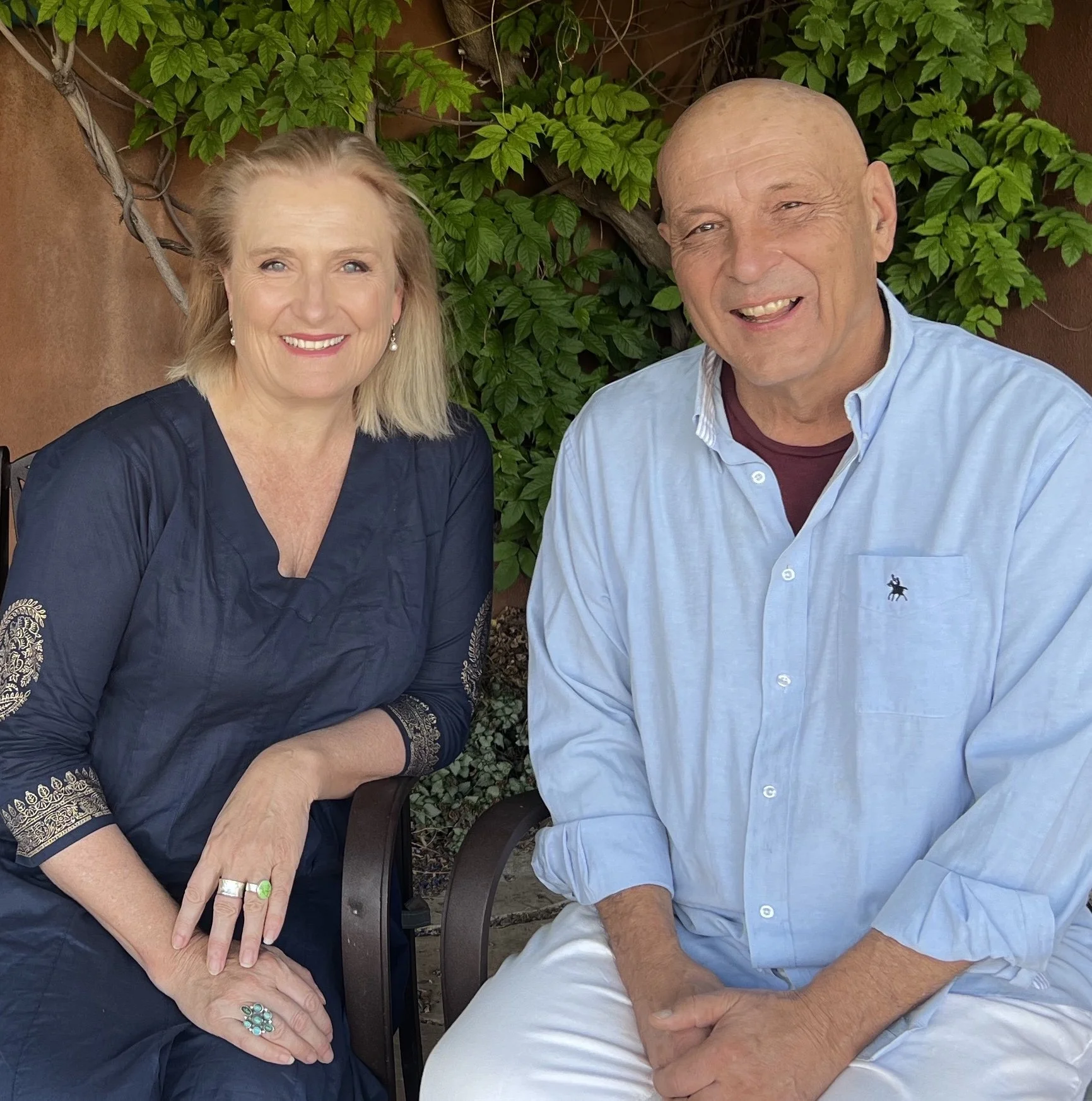
Allegra Huston and James Navé wrote Write What You Don’t Know together, after co-teaching
writing workshops for nearly 20 years. They built it over a year of intense work, tested every step on real writers—including themselves—and only then created the course and the book. Everything is grounded in practice, and a combined six decades of experience. It has since been taught to writers on six continents.
Allegra, author of the bestselling memoir Love Child and the novel A Stolen Summer, along with many magazine articles and screenplays, is also a renowned editor. She teaches with an editor’s patience for a draft that has not found its shape yet. James, a performance poet and active participant in the original cohort of the Poetry Slam, brings insights gained from his work with Julia Cameron (author of The Artist's Way) and the schools program Poetry Alive! They lead every video and audio course session, and James leads the live training for all ten weeks. Whichever door you come through, the teaching is first-hand.
What people remember afterward is the tone the two of them set: serious about the writing, playful about the method, and supportive of where you are in your writing journey.
What Writers Say
-
![]()
“It’s life-changing. Even if I’m not writing, I’m thinking about writing.”
— Deborah Williams, writer
-
![]()
“Writing what I don't know has given me more confidence and freedom and flow to write what I do know. It's like having a base camp to set out on writing adventures."
— Alice W. Meadows, writer
-
![]()
"After Imaginative Storm, writer's block is a myth."
– Abdullah H. Erakat, journalist and filmmaker
-
![]()
“All the other offerings out there are focusing on the leaves and the branches: how to do it this way or that way. Imaginative Storm is the roots, a stabilizing, nourishing connection so we can each grow our own way.”
— Sandi Dittmer, writer
-
![]()
“It’s like meeting a part of yourself you didn’t know existed. What a gift!”
— Wendy Shaw, artist
-
![]()
“With each continued immersion in this process I am brought ever closer to something Carl Jung said many years ago: ‘Until we make the unconscious conscious, we will live our life and we will call it fate.’ I feel the Imaginative Storm process is ever getting me closer and closer to a more conscious understanding of my life.”
— Dan Stenabaugh, writer



Start With the Weekly Writing Circle
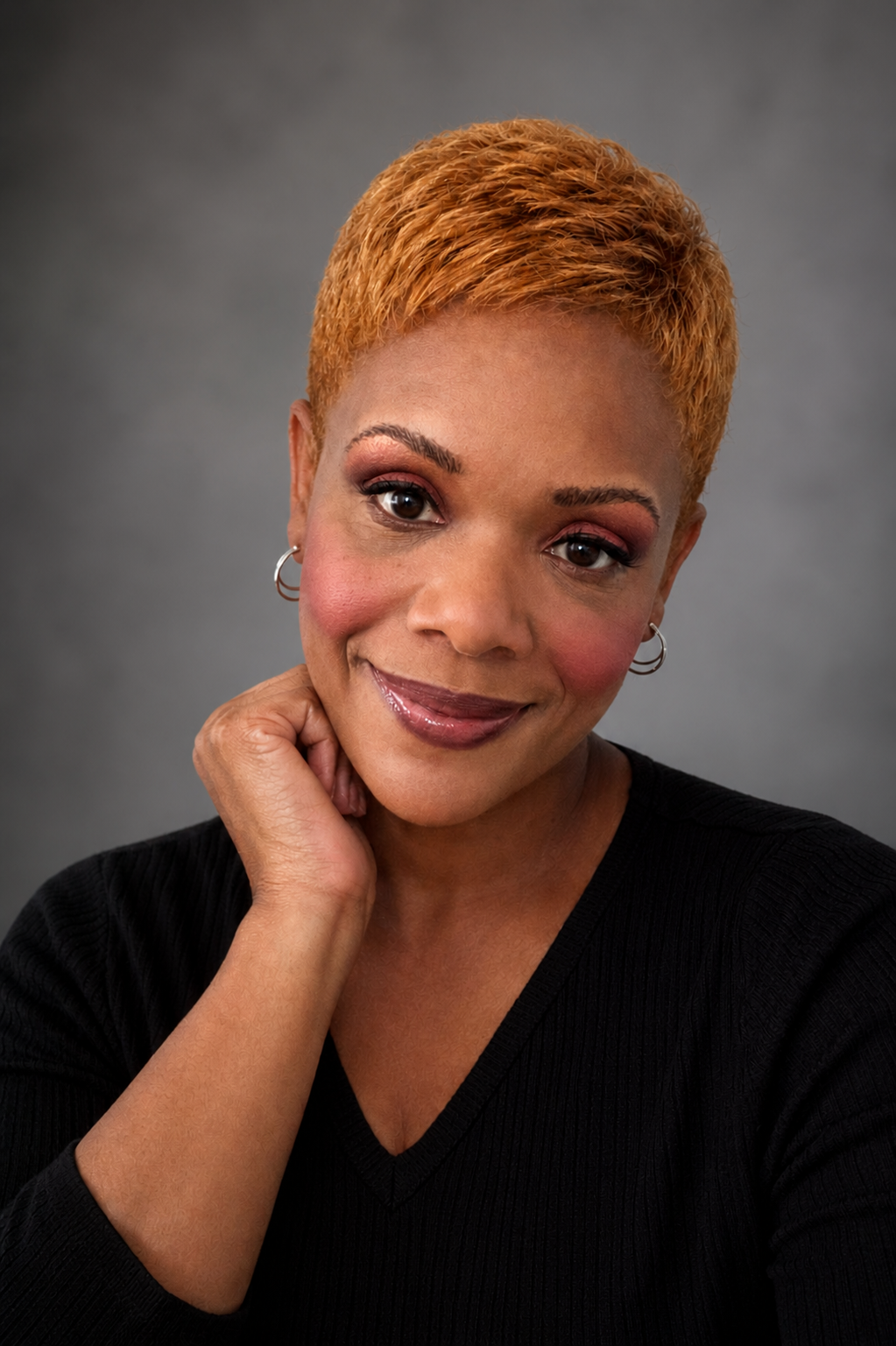
Not ready to commit to anything? Come to the Weekly Writing Circle. It is an hour on Zoom every Saturday, run on the same method the book lays out. You will get an idea of how Imaginative Storm prompts work before you commit to anything, and you will meet Allegra and James, who lead every session wherever possible. You'll also meet a welcoming, supportive group of writers. Plenty of people turn up once out of curiosity, even introducing themselves as "I'm not a writer," and are still Zooming in years later. Nothing needs to be decided before you arrive. Just bring yourself, paper and a pen.