
By Alice W. Meadows
by Alice W. Meadows
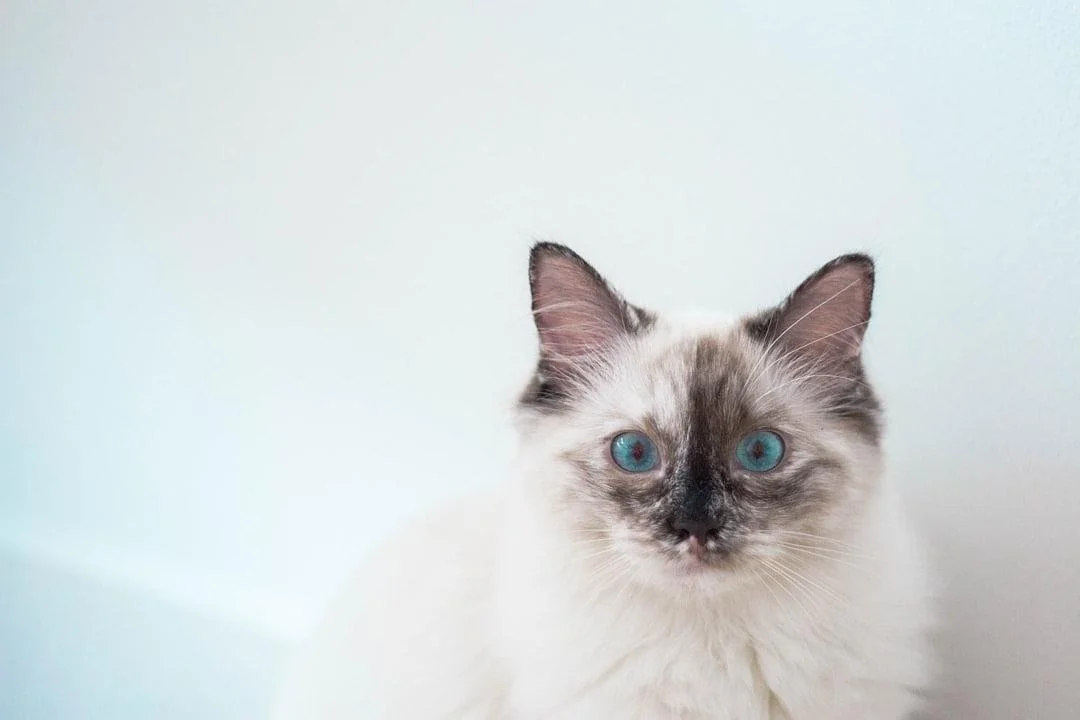
In the quiet heart of Vilnius, where cobblestone alleys twist through centuries-old stone buildings, the morning fog curls like steam rising from a teacup. I took tea each morning at a tiny bakery tucked just off Literatu Street. Out back, half hidden by stacked pallets, stood a dented green dumpster, shrouded in shadow.
One misty November morning I observed Ruta, the baker’s apprentice, bringing trash out to the dumpster. Red-faced, her hands knotting her apron, she clanged through the glass door, and approached me. I watched as her lips rearranged her words into her best English.
“Ponas…Sir! Prasau ateiti! Come! Please come!” And she pulled on my sleeve as she reached the limits of her language and her patience.
The air was crisp, and the fog hung low, wrapping around the alley like a shroud. Ruta paused mid-step. Something had stirred in the dumpster-a rustle, a soft thump, and then…a mew.
She approached carefully. Way down inside the dumpster, beneath a 25 kilo flour bag and a rain-soaked wool scarf, she pointed to a kitten. Filthy except for her lilac-colored ears, and no more than a few months old, one eye was crusted shut, and the other a cerulean blue, and ribs showed through her fur. Her tiny body shivered, as if the cold were trying to consume her.
I began stacking the pallets, forming a makeshift ladder down into the putrid prison. By this time, the half-dozen patrons had emptied from the bakery to watch this drama unfold. The kitten dove deeper into the canopy of cardboard and plastics and into a labyrinth of broken glass. My fear of startling her into unreachable depths competed with my desire to swiftly retrieve her.
Standing on the bottom pallet, I pulled from my pocket a bit of bread Ruta had shoved at me. Her wariness overcome by her hunger, the kitten slowly approached my outstretched hand. Her eyes were wild, and I could see her heart racing through her thin-stretched skin. Scooping her up, I scrambled up the pallet and handed her out to Ruta who wrapped the kitten in her apron.
Ruta smuggled the kitten into the bakery and gave her a quick bath in the lavatory, then hid her beneath the counter next to the stove in a flour sack. She lined it with a scarf someone had left behind last winter. She named the kitten “Alyvine,” which means “Lilac,” for this was her color once all the mud and stench was removed from her body. Lilac purred like the low rumble of a teakettle.
Winter was bitter that year. Snow blanketed Vilnius, and a hush fell over the streets and cobblestone alleys. But in the tiny bakery’s window, lit by warm light and framed by fogged glass, Lilac sat like a sentinel, welcoming guests out of the shroud of winter.
Lilac grew strong. Locals came to the bakery to visit her, bringing scraps of fish. Some knitted tiny scarves. Most purchased breads and pastries, teas, and coffees. The baker bought the building next door.
Years later, Ruta would say, “I found her in a dumpster, shrouded in garbage. Discarded like trash, she was waiting for someone to find her.”
Each morning, as the first loaves rose, and the city stirred beneath the gray Vilnius sky, Lilac would leap into the window, blink her one good eye, and watch the world go by.