Memoir Intensive
With Allegra Huston in Nova Scotia
September 29 – October 4, 2026
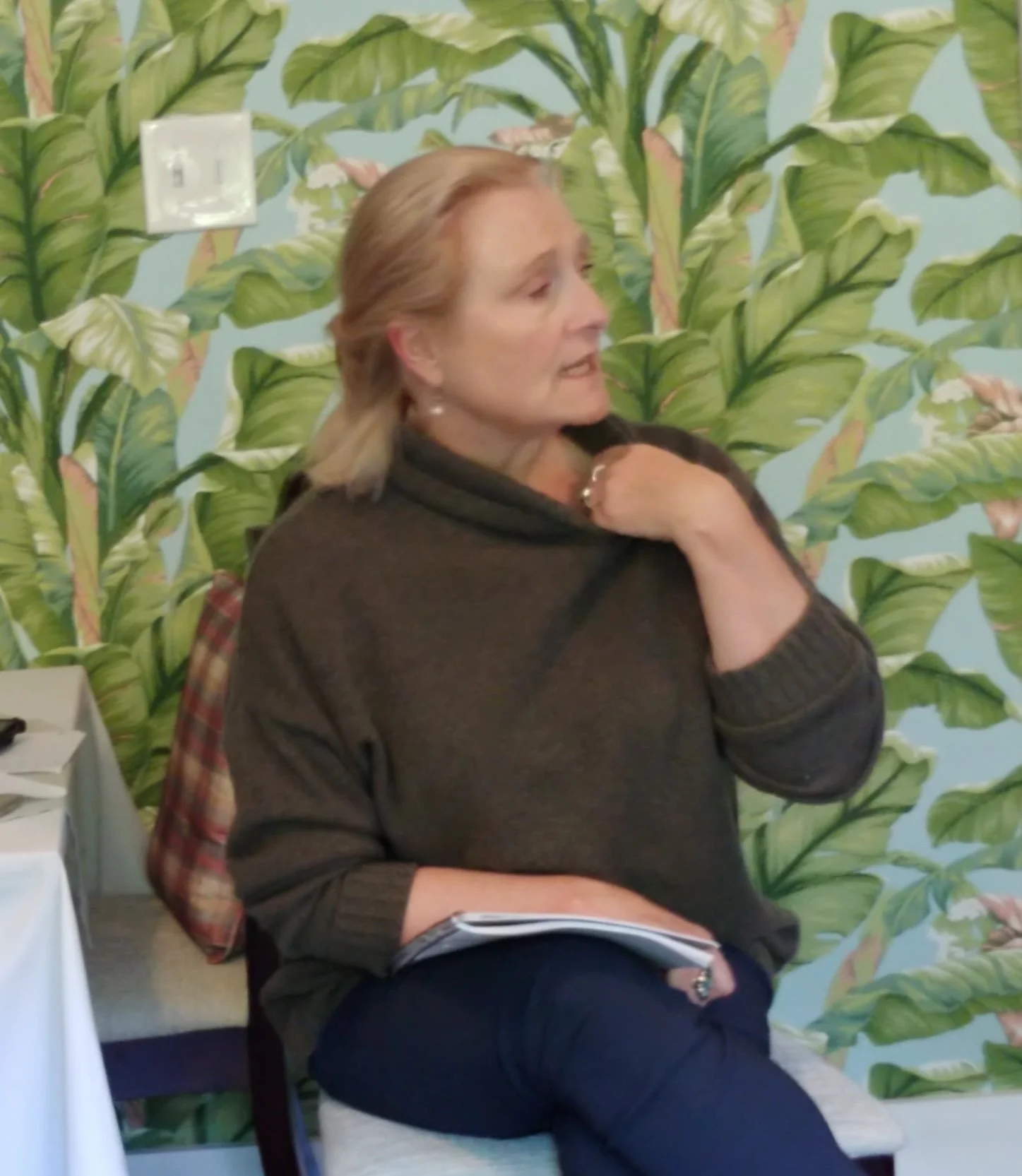
“Allegra is my new favorite writing mentor! The Imaginative Storm philosophy and writing method is the most effective one that I have had the pleasure of experiencing in my last six years of writing circles. Our group bonded almost immediately through Allegra’s relaxed and authentic style and belief that we all have a story within us. Thank you, Allegra, for empowering each of us to fly in our spacious imaginations. I shall return for more!” — Doley Henderson, MFA
Blend deep craft with imaginative exploration
The hardest thing about writing a memoir is finding your story.
You might think it’s obvious: it’s your life, right? But how do you know what to include and what to leave out? If it’s just a record of events, who will want to read it?
So, my first goal is to send you away with a sense of where your story begins and ends, and how you, as the main character, drive that story and engage your reader.
The wonderful thing about memoir is that the author doesn’t need to be famous to draw in a reader. We just need to connect with your story. It’s not about what happened to you—but about what you made of what happened to you, and what those events made of you.
So, my second goal is to equip you with a powerful set of approaches to write about those events, in a way that brings them vividly to life, with authenticity and emotional power.
That’s where the Imaginative Storm method comes in.
Canadian $2399 • Limit 8 participants
this retreat sells out, so book early
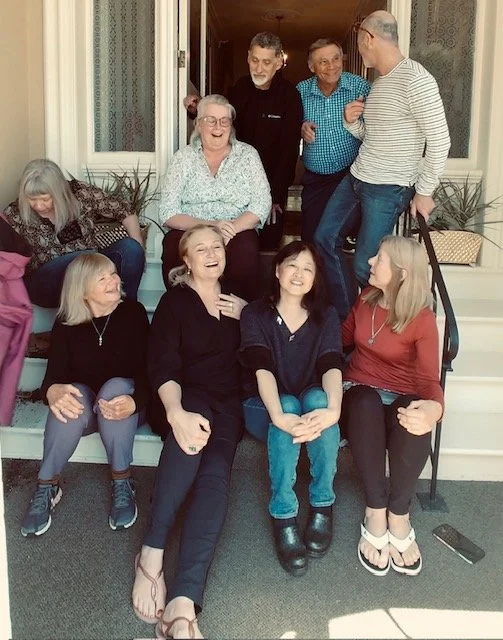
Discover a warm, supportive community
Gain a powerful set of tools to take into the rest of your writing life
-
![Amy Gray]()
“Allegra's workshop was divine. Personal, inviting, transformative, confidence-building, and more. The added benefit of meeting other like-minded writers from other parts of the US and Canada was the icing on the cake. Allegra is a word shaman—and she makes you feel like you are, too. Don't miss out.”
— Amy Gray, writer and speakers’ agent
-
![Scenic landscape with a large body of water, rolling green hills, and mountain range under cloudy sky]()
“I am without adequate words to express how perfect these last five days have been. You created magic.”
— Lyn Rothman, writer and fundraiser
-
![Karen Anderson]()
“What a wonderful workshop. The Imaginative Storm process is phenomenally successful. It’s had an enormous impact on the way I think and the way I write. I’m really looking forward to next year.”
— Karen Anderson, Associate Professor, Department of Sociology, York University, Toronto
-
![]()
“A fantastic, life-affirming experience. The writing prompts bring forth a style of writing that is surprising in its intensity and invigorating in its ability to communicate deep memories and emotions. This is a gift any writer should give to themselves. It will change your life!”
— Allison Kleinsteuber, art teacher
-
![]()
“A unique, magical journey into your inner world. Allegra puts her heart and soul into coaching us and creates a freeing atmosphere where no judgment or embarrassment creeps through. Truly a growth experience, no matter what your background or time of life.”
— Patience Whitten, writer
-
![]()
“Pure sustenance for my soul. I felt immediately engaged in the process of cultivating one's intuition to create writing that's powerful, interesting and real, with a sparkle of discovery and surprise. Loved every moment!”
— Jack Gewalter, wild animal veterinarian
-
![]()
“Allegra was a great mentor—creating a safe environment for all of us to expose our vulnerabilities through listening carefully, focusing on strengths rather than weaknesses, and participating actively in the writing exercises. It was a pleasure and a privilege to participate.
— Marilyn M., scientist
-
![]()
I left feeling motivated to write more deeply and more regularly, and to let go of the perfectionism that has been holding me back from the writing practice I dream of. Allegra's methodology, and the supportive culture she created amongst participants, helped me tell truthful, vivid stories I can be proud of.”
— Hannah C., writer
-
![]()
“Allegra has the rare ability to help your writing at two different levels: rational analysis of the elements and structure of your memoir, and the emotional capacity to read between the lines, to recognize and empathize with the yelling or whispering of your heart."
— Jamil Mahuad, former president of Ecuador









The Imaginative Storm Method
The Imaginative Storm method is centered on appreciation, not criticism. My workshops are always a safe space in which to explore and experiment. I don’t encourage competition, and I don’t offer negative criticism in the group setting.
I’m looking for what’s original and intense and memorable. Appreciating your strengths is, I believe, the most powerful way to guide you toward your best writing.
We’ll write as a group in the mornings, and in the afternoons I’ll meet with everybody one-on-one for an hour, twice, in the course of our time together, to give you all the help I can on your memoir project. If you’d like my editorial opinion of your work, you may send me 25 pages in advance.

Write by hand
Before you come to Nova Scotia, find a pen you enjoy writing with, and a notebook that doesn’t make you feel you’re supposed to write well in it. I prefer cheap spiral-bound notebooks, but you may prefer something that makes your writing feel special—as long as it doesn’t put pressure on you to write well!
Start with a prompt to spark your imagination
We’ll offer you a prompt that invites you to approach a memory, a person, a place, or an idea, in a way you’ve never approached it before.
Set a 10-minute timer
That might seem like pressure, but actually it’s the opposite! The biggest pressure most people put on themselves is their desire to write well. Your rational mind probably doesn’t believe it’s possible to write well in just 10 minutes, so the timer makes it much easier to get the rational mind, with all its ambitions and anxieties, to step back and let your imagination take the lead.
Read what you wrote aloud
When the 10 minutes is up, we’ll each read what we wrote aloud. There’s huge benefit in reading your writing aloud, and you’ll quickly get over any nerves. Reading aloud is the secret to finding your voice and moving your writing into a place of intense originality and authenticity.
Why It Works
You stop trying to “write well.” That frees your real voice to come through and retrains your inner critic.
You develop a consistent writing habit that boosts emotional wellness and mental clarity.
You train your brain to be curious, not critical. Which makes writing—and life—more interesting and more enjoyable.
You gain new insights, perspectives, and energy. They ripple into all your creative work.
You join a welcoming, supportive writing community, where you're encouraged, not judged.
Participants tell us they’re happier with what they write in these 10-minute sessions than what they manage in hours on their own. That’s because Imaginative Storm writing isn’t just about the prompt—it’s a practice.
You’re stretching and strengthening your imagination. You’re learning how to write what you don’t know—and that’s where the sparky, original writing comes from.

-
![Abdullah H. Erakat]()
"After Imaginative Storm, writer's block is a myth."
— Abdullah H. Erakat, journalist and screenwriter
-
![Deborah Williams]()
"It's life-changing. Even if I'm not writing, I'm thinking about writing."
— Deborah Williams, writer and educator
-
![Corinne Crone]()
“You helped me over come my critic. I went from being a fearful writer to a joyful one.”
— Corinne Crone, intimacy coach
-
![]()
"Write What You Don't Know is like a bible for me now."
— Dan Stenabaugh, writer
-
![]()
“I found what to trust in myself. In my writing and in myself."
— Rev. Diana V. Gustafson, Episcopal priest
-
![Alice W. Meadows]()
"Writing what I don't know has given me more confidence and freedom and flow to write what I do know."
— Alice W. Meadows, author
-
![Sandi Dittmer]()
“Other offerings focus on the leaves and the branches. Imaginative Storm is the roots, stabilizing and nourishing, so we can each grow our own way."
— Sandi Dittmer, writer
-
![Daniel Barber]()
"There's such joy in stepping into who-cares-land. And we-don't-know land. It creates a field where joy and abundance happen."
— Daniel Barber, music coach
-
![Wendy Shaw]()
"It's like meeting a part of myself I didn't know existed. What a gift!"
— Wendy Shaw, artist

About Allegra

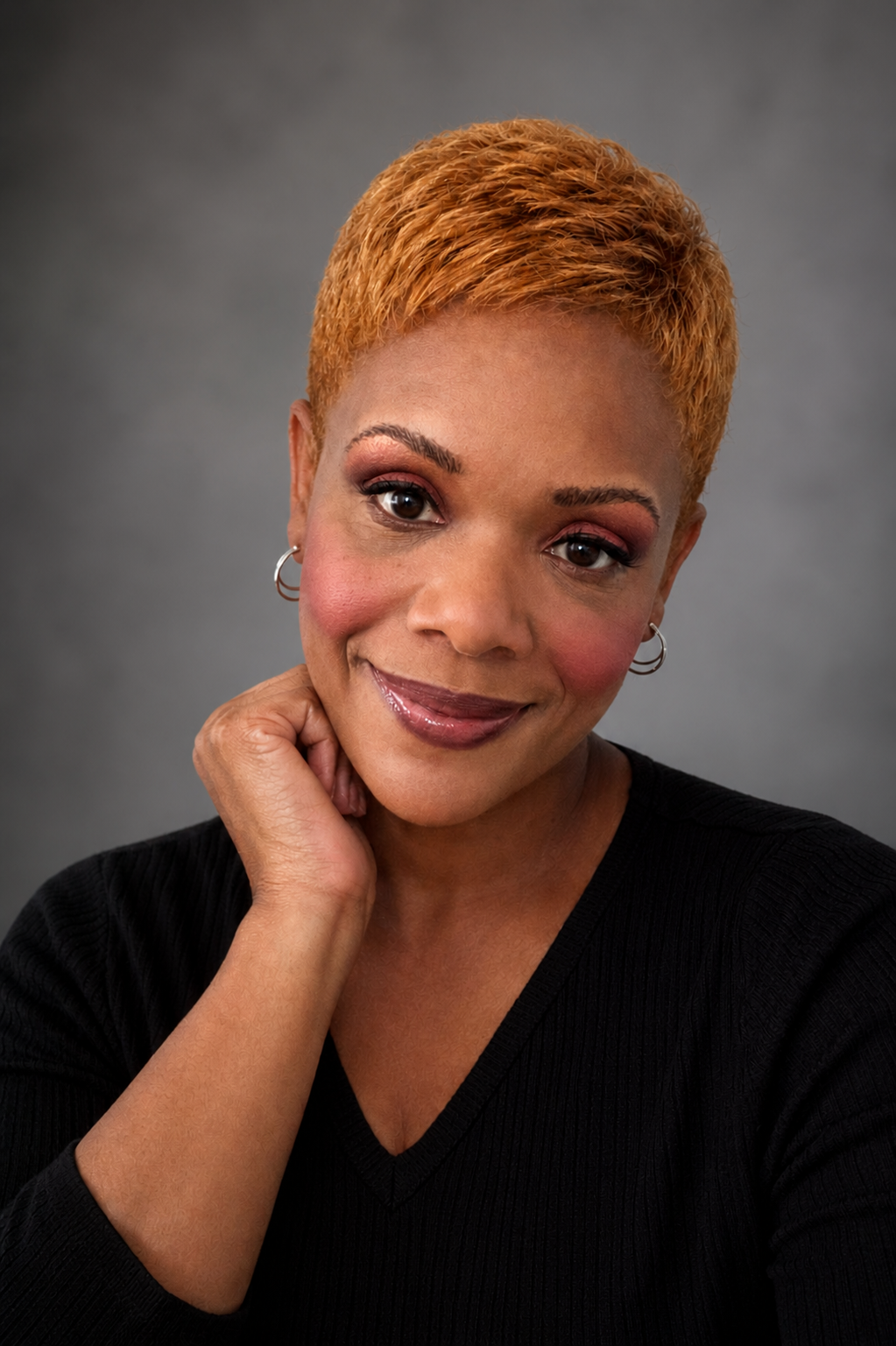
Acclaimed author, world-class editor, and co-creator of the Imaginative Storm method
Allegra Huston is the author of Write What You Don’t Know and Creative Writing: The Imaginative Storm Method (both with James Navé), Love Child: A Memoir of Family Lost and Found, the novel A Stolen Summer, and, for writers, How to Edit and Be Edited and How to Read for an Audience (with James Navé).
Allegra contributed to the anthology One Last Lunch: A Final Meal with Those Who Meant So Much to Us, writing an imaginary lunch with her mother who died when she was four. You can listen to her read it here.
Allegra has written for Vogue, Condé Nast Traveler, People, Newsweek, The Times (London), The Oldie, and The Independent on Sunday. She wrote and produced the award-winning short film Good Luck, Mr. Gorski.
Allegra holds a Double First in English from Oxford University, and was Editorial Director of Weidenfeld & Nicolson, one of the most respected UK publishers. She has taught writing workshops for the University of Oklahoma, the National University of Ireland, Galway, the Taos Writers Conference, and the UK’s prestigious Arvon Foundation, and has taught a guest seminar at the nonfiction department of Iowa Writers' Workshop.
“Allegra Huston is incapable of writing a dull sentence.”
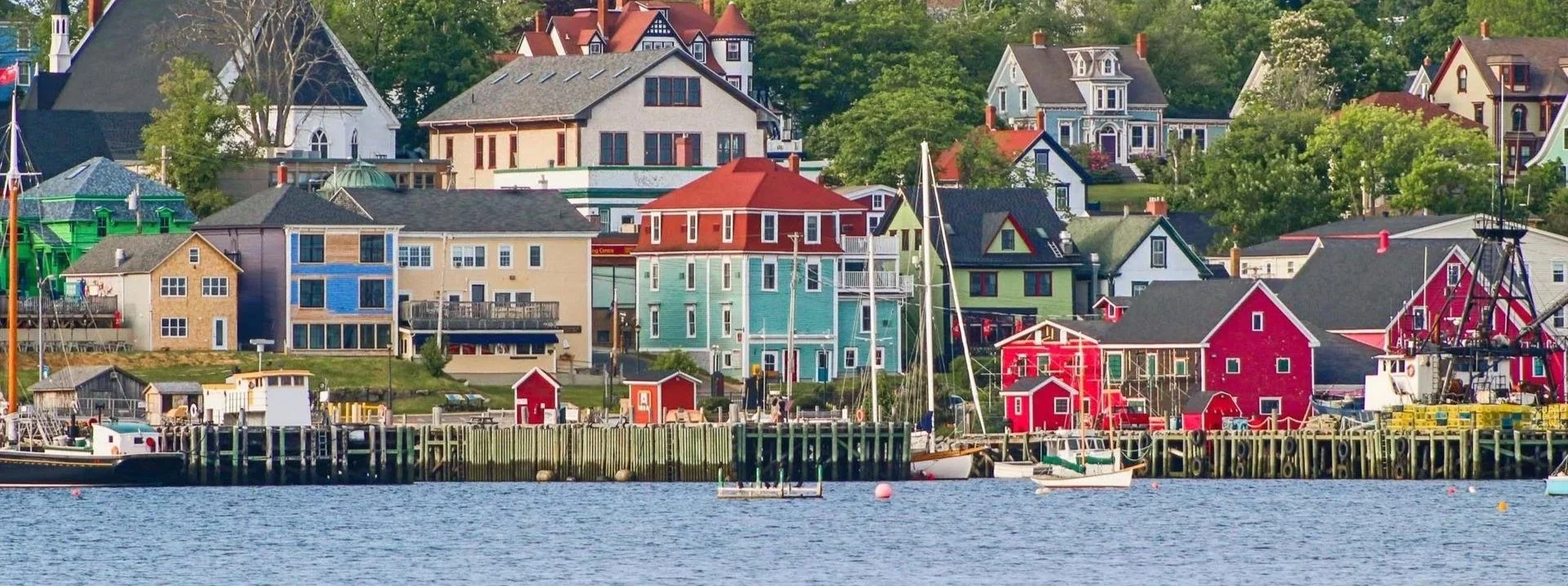
Our base: Blue Nose Lodge in Lunenburg
A UNESCO World Heritage Site
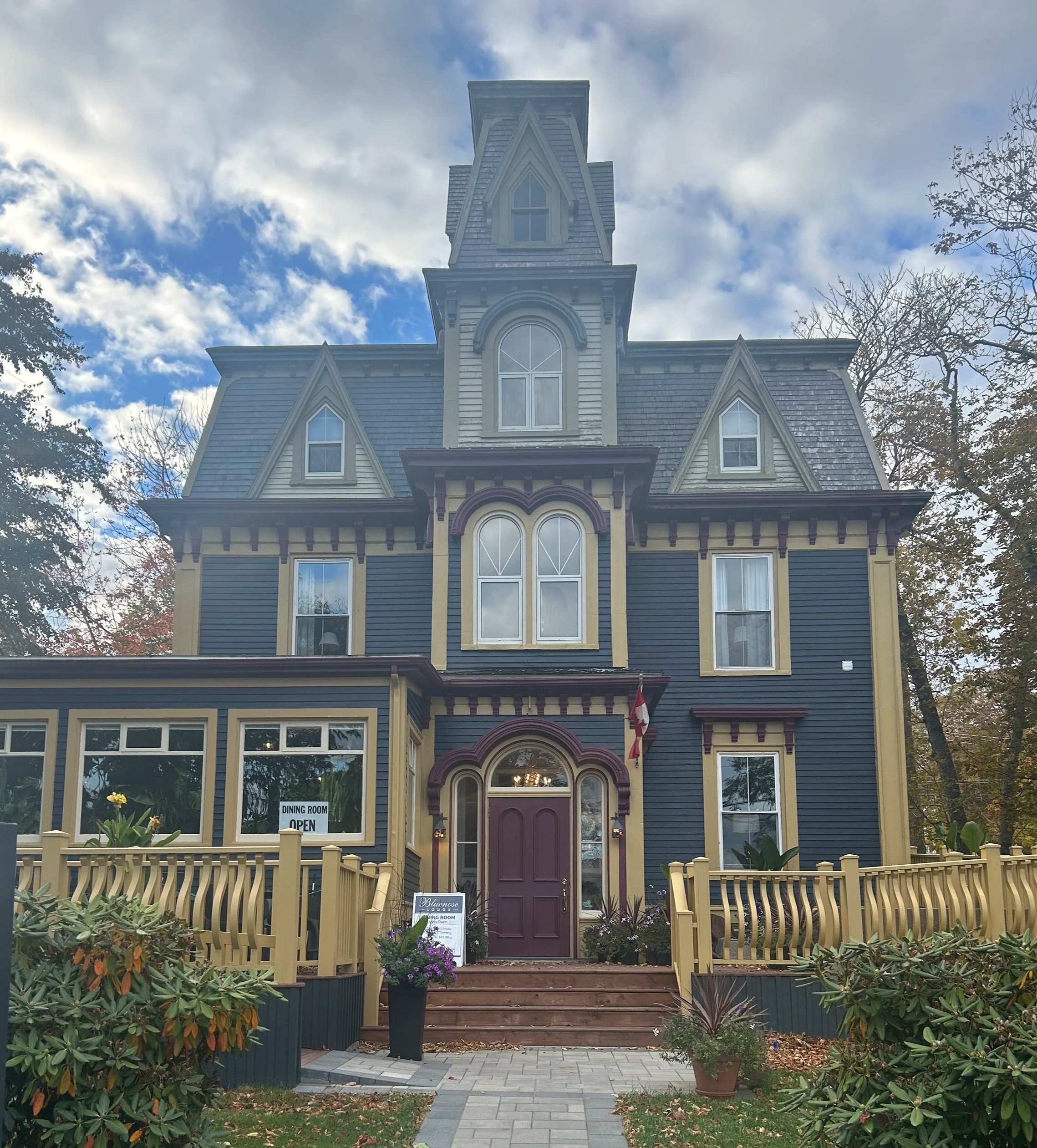
The Blue Nose Lodge is a historic mansion, now a boutique hotel, overlooking Lunenburg harbor. The rooms are spacious and beautifully decorated, and we meet in a room filled with sunlight.
If you choose to stay at the Blue Nose, which I highly recommend, a delicious breakfast is included—and I’ll be there to have an informal conversation over omelets and coffee.
Walk out the door of the Blue Nose Lodge straight into the heart of Lunenburg, packed with art galleries, boutiques, and delicious restaurants. Lunenburg is an old fishing town, and the port is still active. Brightly-painted houses contrast with the classic Nova Scotia black-and-white churches.
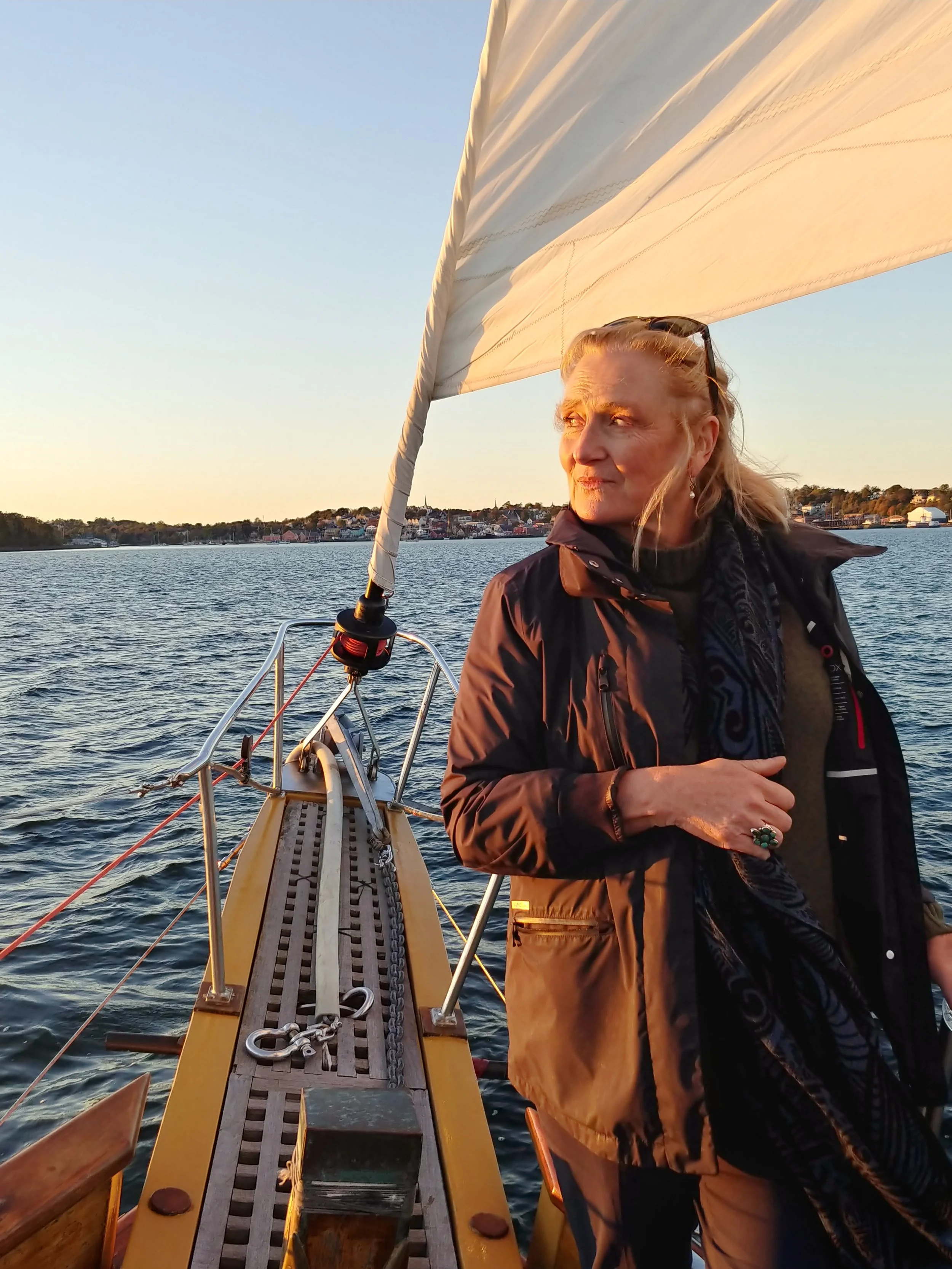
Last year a number of us took a magical sunset boat ride.