The Imaginative Storm Method
The Imaginative Storm method is powered by curiosity.
Curiosity is stronger than criticism, stronger than anxiety, stronger than doubt. When you’re curious, you forget about trying to write well and just write—so you replace effort with flow, and writer’s block becomes a thing of the past.
Curiosity builds courage. Courage builds confidence. Confidence builds adventurous, original writing.
When you write in the Imaginative Storm, you throw caution to the winds—and allow the winds of inspiration to guide your pen.
Start with a powerful writing prompt, so you’re never staring blankly at a blank page.
Write by hand in focused 10-minute bursts, to quiet your inner critic and unlock creative flow.
Use evocative word lists to spark surprising ideas and fuel original language.
Read your work aloud in a safe, supportive space to appreciate and strengthen your authentic voice.
What we do:
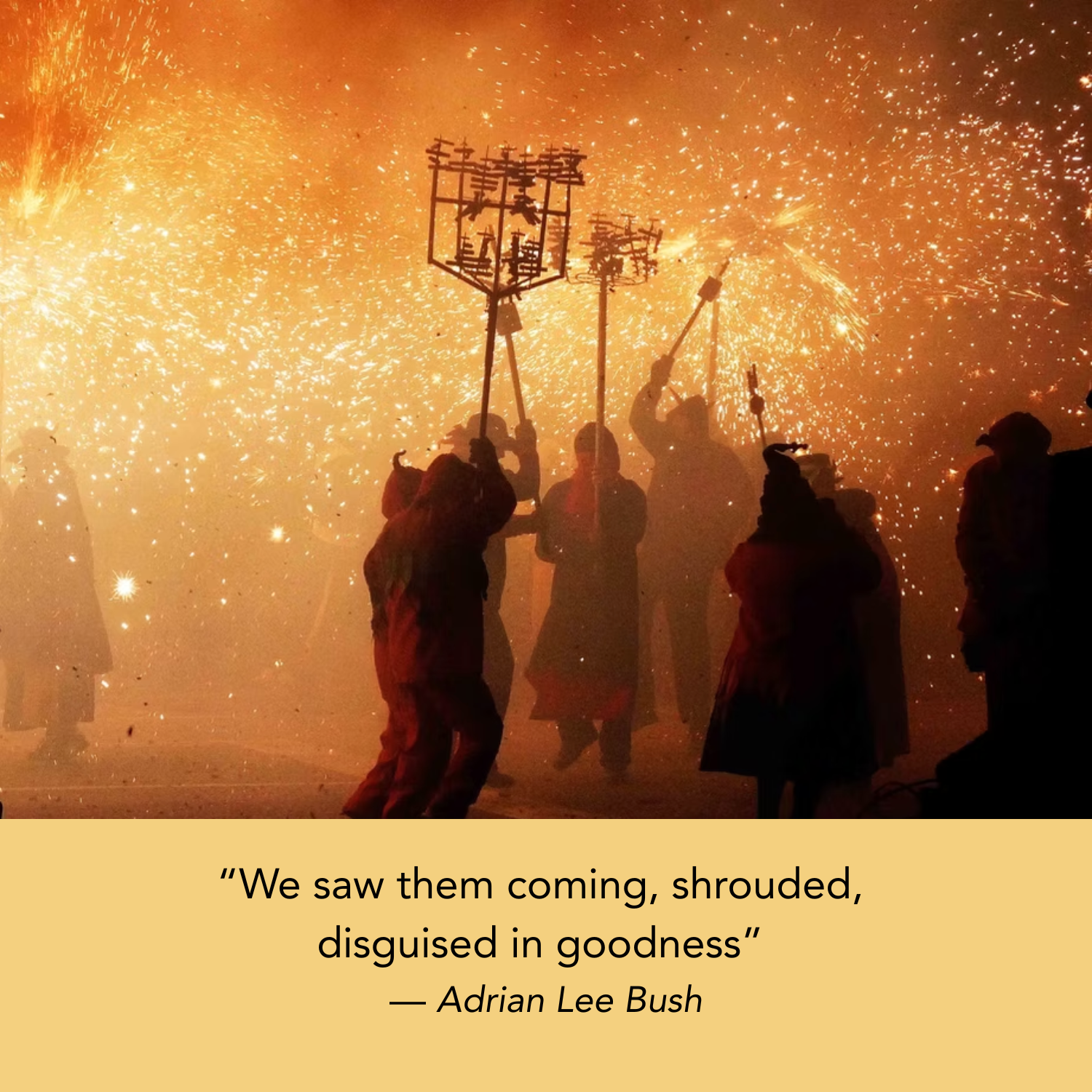
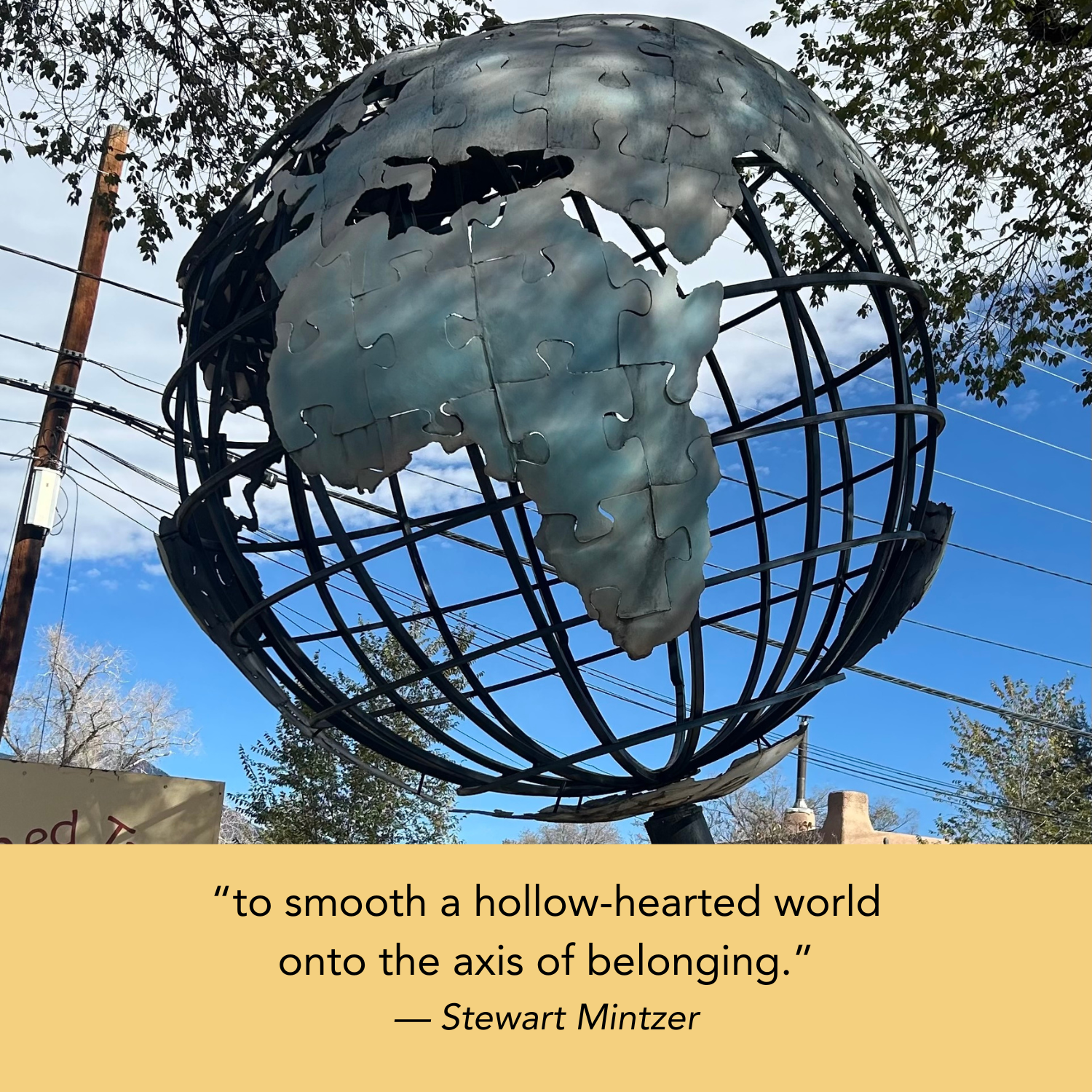
Image prompts from our free online sessions
Gems from our writers, and the prompts that inspired them




Write What You Don’t Know
“No surprise for the writer, no surprise for the reader.”
— Robert Frost
At the heart of the Imaginative Storm is a radical idea:
WRITE WHAT YOU DON’T KNOW
Most writing advice tells you to “write what you know.” But that’s exactly what stifles your imagination.
Writing what you don’t know doesn’t mean writing from ignorance. It means not pre-thinking what you’re going to write. When you approach an idea, a memory, a scene, from an unexpected angle, your imagination gets jazzed up and surprises you. That’s where your most original, most powerful writing comes from.
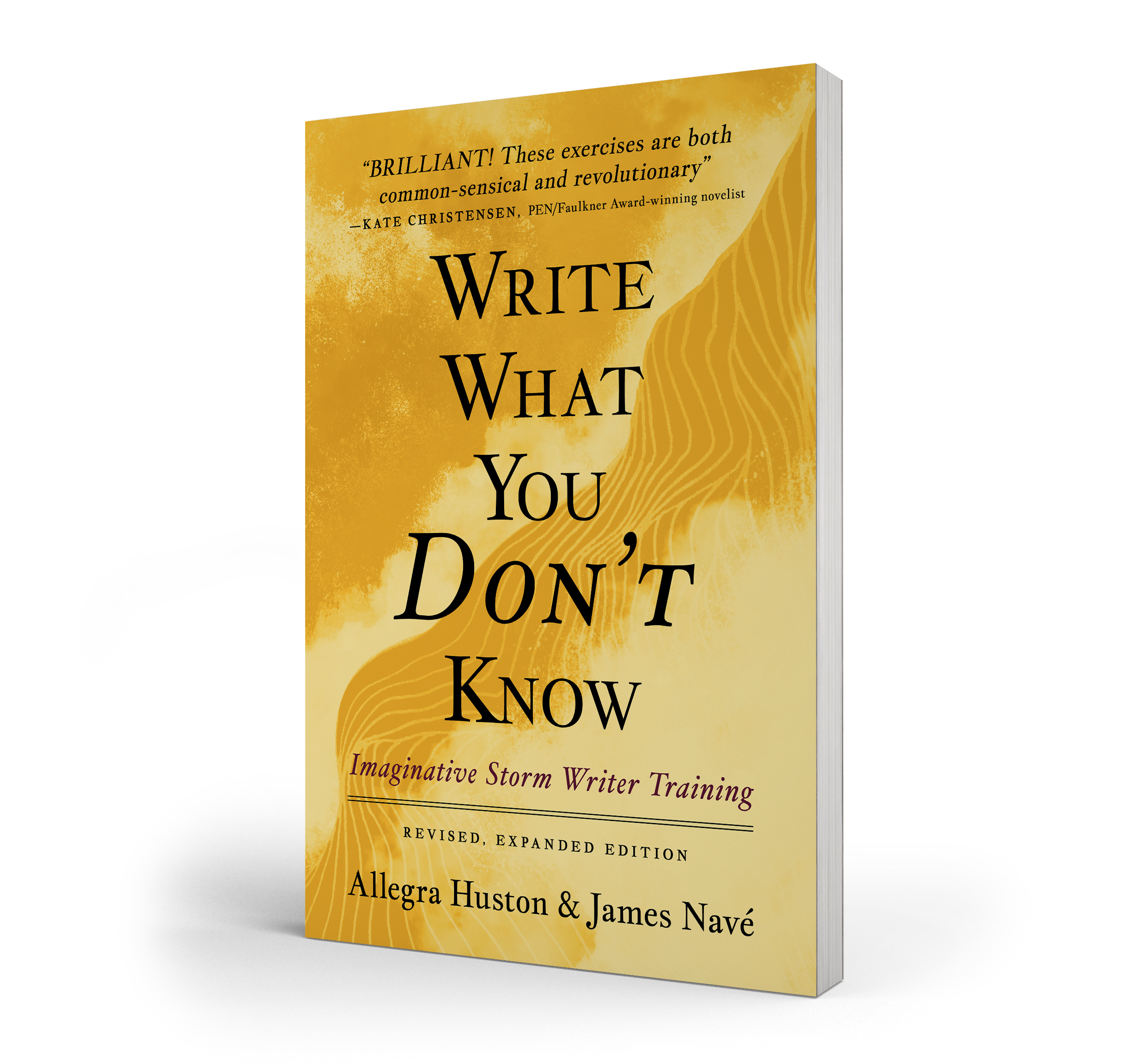
Revised, expanded edition of our highly acclaimed book coming soon!
The top 6 secrets of writing what you don’t know
1. What you don’t know is as important as what you know.
Because in life, we don’t know far more than we know. So getting that sense of not-knowing into your writing gives it the spark of life.
2. You don’t need answers to begin. You need questions.
Curiosity, not certainty, is the source of originality and verve.
3. Writing what you don’t know helps you grow into the person who knows.
As you write, you learn more about yourself, your past, and the mysteries of human nature. Your universe expands.
4. The unknown isn’t just dark. It’s full of light you haven’t named yet.
Not knowing doesn’t mean you’re lost. It means you have the potential to find something. An image, an insight—maybe yourself.
5. You write not to display what you know, but to uncover what you don’t know.
Great writing isn’t performative. It’s revelatory—for the writer as well as the reader.
6. Fear is often a signal you’re on the right path.
That material wouldn’t scare you if it wasn’t powerful! Courage in revealing your vulnerability gives your readers courage to accept their own.